
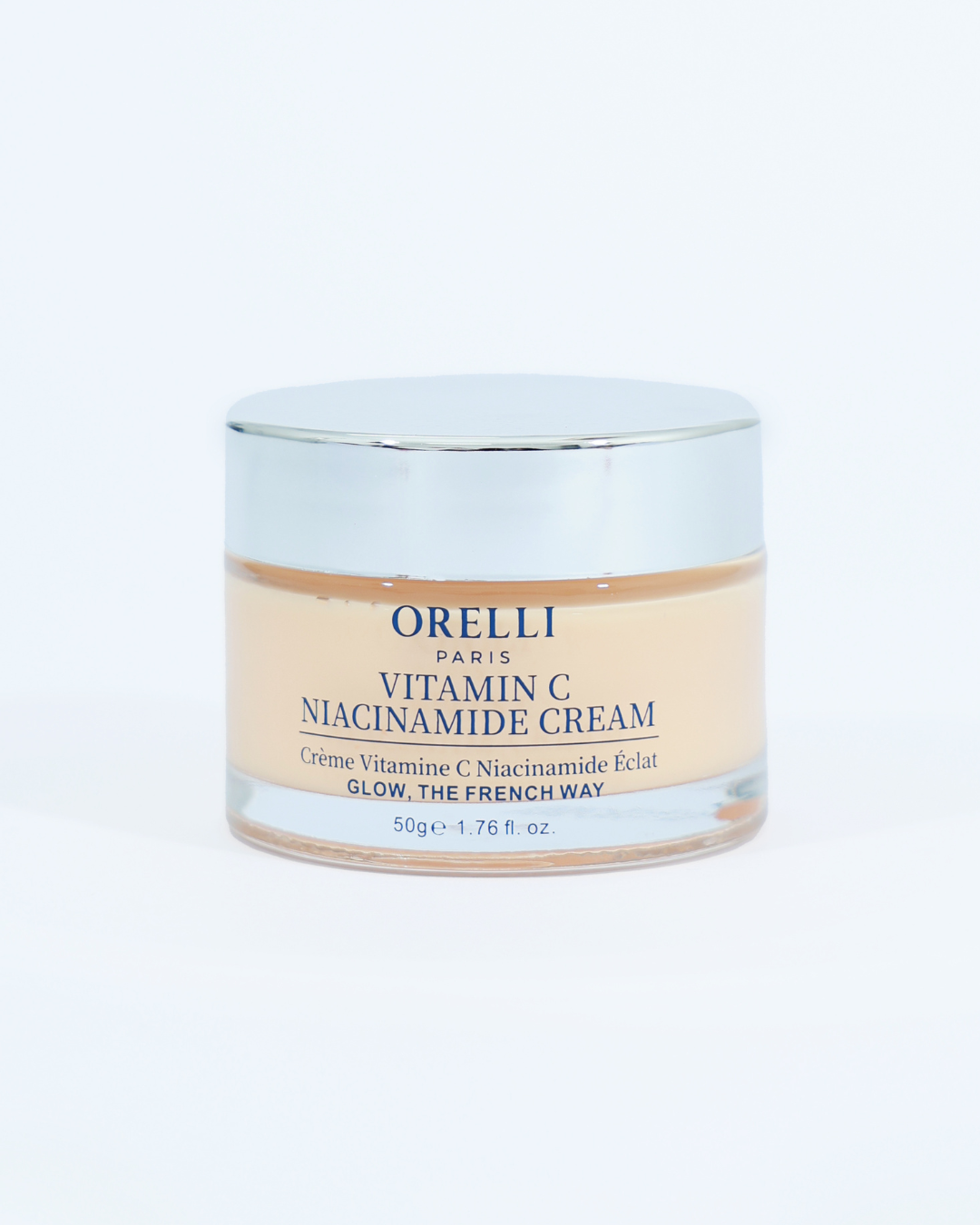
Niacinamide in skincare is a form of vitamin B3 used to support the skin barrier and to improve the look of oiliness, enlarged-looking pores, redness and uneven tone. It is generally well tolerated, works at modest strengths, and fits easily into most routines, which is why it is one of the friendliest actives for beginners. This guide explains what it is, what the research actually supports, which strength to choose and how to start without overdoing it.
What Is Niacinamide?
Niacinamide (also called nicotinamide) is a water-soluble form of vitamin B3. Inside the body it is a building block of NAD and NADP, molecules that skin cells rely on for everyday energy and repair processes. On an ingredient list you will usually see it written simply as “niacinamide”.
Unlike some headline actives, niacinamide is stable in light and air, mixes well into water-based serums, gels and creams, and does not need a low pH to work. That makes it easy for brands to formulate and easy for you to layer. It is not an exfoliant, so it does not make skin peel or become more sun-sensitive in the way those ingredients can.
What Does Niacinamide Do for Skin? The Evidence
Niacinamide has been studied in cosmetic and dermatology settings for more than two decades. A widely cited 12-week split-face study by Bissett and colleagues (2005) found that a 5% niacinamide moisturiser improved the appearance of fine lines, hyperpigmented spots, red blotchiness and sallowness compared with the moisturiser alone, and was well tolerated. Later reviews, including Wohlrab and Kreft (2014) in Skin Pharmacology and Physiology and a 2021 review on niacinamide, skin ageing and pigmentation, summarise the main areas where it shows promise. Most studies are small and many are industry-funded, so the benefits are real but modest rather than dramatic.
1. Skin barrier support
Lab and clinical research suggests niacinamide helps skin produce more of its own ceramides and other barrier lipids, which is linked to lower water loss and a more comfortable, less reactive feel. This is the benefit that makes it useful in almost every routine, especially for skin stressed by air conditioning, pollution or over-cleansing.
2. The look of oiliness and pores
A small study using 2% niacinamide reported a reduction in facial sebum over several weeks. Less surface shine can make pores look less prominent. It will not change your pore size permanently, and results vary, but many people with combination skin notice a more balanced finish. We cover this in more depth in our upcoming guide on niacinamide for oily skin, and you can compare it with other options in our round-up of skincare ingredients commonly used for oily skin.
3. Uneven tone and dark spots
Niacinamide is thought to reduce the transfer of pigment (melanosomes) from pigment cells to surrounding skin cells, rather than stopping pigment from being made. In studies this translated into a gradual improvement in the look of spots and patchiness over 8–12 weeks. It pairs well with daily sunscreen, which remains the single most important step for any tone concern. Our beginner’s guide to uneven skin tone explains the wider picture.
4. The look of redness
Because it supports the barrier and has soothing properties in lab studies, niacinamide may help skin look calmer and less blotchy. If redness is persistent, burns or flares with triggers, see a dermatologist, as conditions like rosacea need proper diagnosis.
Niacinamide Strength: Is 10% Better Than 5%?
Not necessarily. Much of the published research used 2–5% niacinamide, and those strengths showed measurable benefits. Serums at 10% or more became popular through social media, but higher numbers are not proven to work better, and they are more likely to cause stinging or redness in sensitive skin. The rest of the formula, how often you use it and how consistently you use it matter more than the percentage on the front of the bottle.
| Strength | Where you’ll find it | Good for |
|---|---|---|
| 2–4% | Moisturisers, toners, sunscreens | Sensitive skin, first-time users, everyday barrier support |
| 5% | Serums and creams | Most beginners; the strength used in several key studies |
| 10% and above | Targeted serums | Experienced users whose skin already tolerates niacinamide well; not required for results |
Who Is Niacinamide Good For?
Niacinamide suits most skin types, which is part of its appeal. Oily and combination skin often likes its lightweight, shine-balancing feel. Dry and dehydrated skin can benefit from its barrier support, particularly in a cream. Acne-prone skin may find it a gentle supporting ingredient alongside a dermatologist-recommended plan, though it is not a treatment for active acne on its own. Skin with post-acne marks or patchy tone may see gradual improvement with consistent use and sunscreen.
In the Indian climate, where humidity, heat and sweat can make heavier actives feel uncomfortable, a light niacinamide serum or gel-cream is usually easy to wear year-round, including during the monsoon when skin can feel oily and congested at the same time.
Niacinamide Side Effects to Know About
Topical niacinamide is considered one of the better-tolerated actives, but “well tolerated” does not mean “never irritating”. Some people notice temporary warmth, flushing, tingling, itching or small bumps, especially with high-strength serums or when stacking several products that each contain niacinamide. If that happens, drop to a lower strength, use it every other day, or apply it over moisturiser. Stop and seek advice if irritation continues. Patch testing on a small area of the jaw or inner arm for a few days is a sensible first step with any new product.
Niacinamide for Beginners: How to Start
Starting well is mostly about keeping things simple. Choose one product with 2–5% niacinamide, patch test it, then apply it once a day after cleansing and before moisturiser, or use a moisturiser that already contains it. After two weeks without irritation you can move to twice daily if you like. Give it at least 8–12 weeks before judging results, and keep wearing sunscreen every morning. If you are building your first routine, our simple 3-step skincare routine for beginners shows where a serum fits.
Niacinamide also plays nicely with most other ingredients, including hyaluronic acid, ceramides, peptides, sunscreen and vitamin C. If you are curious about pairing it with an antioxidant, start with our overview of vitamin C in skincare. We will cover exactly where niacinamide sits in a morning and evening routine in a separate, more detailed guide.
If your main goal is a calmer, stronger-feeling complexion, you can also browse our skin barrier support range, and always read the full ingredient list to check the strength and supporting ingredients.
Frequently Asked Questions
Can I use niacinamide every day?
Yes, most people can use niacinamide once or twice daily. Start once a day for the first couple of weeks to check how your skin responds, then increase if it feels comfortable.
How long does niacinamide take to show results?
Expect gradual changes over 8–12 weeks. A smoother, more comfortable feel may come sooner, while changes in the look of spots and uneven tone usually take longer and depend on consistent sun protection.
Is niacinamide safe for sensitive skin?
Often, yes, at lower strengths. Choose 2–5% in a simple, fragrance-free formula, patch test first, and avoid high-percentage serums until you know how your skin reacts.
Can niacinamide replace sunscreen or acne treatment?
No. Niacinamide supports the look of skin but does not protect against UV rays, and it is not a substitute for dermatologist-prescribed acne or pigmentation treatment.
The Takeaway on Niacinamide in Skincare
Niacinamide in skincare earns its reputation by being useful, gentle and easy to combine rather than by delivering overnight change. For beginners, a 2–5% product used consistently, with a moisturiser and daily sunscreen, is a sensible way to support the barrier and gradually improve the look of oiliness, redness and uneven tone. Start low, be patient, and let your skin guide how far you go.
This article is general cosmetic information and is not medical advice. For persistent skin concerns, please consult a qualified dermatologist.