
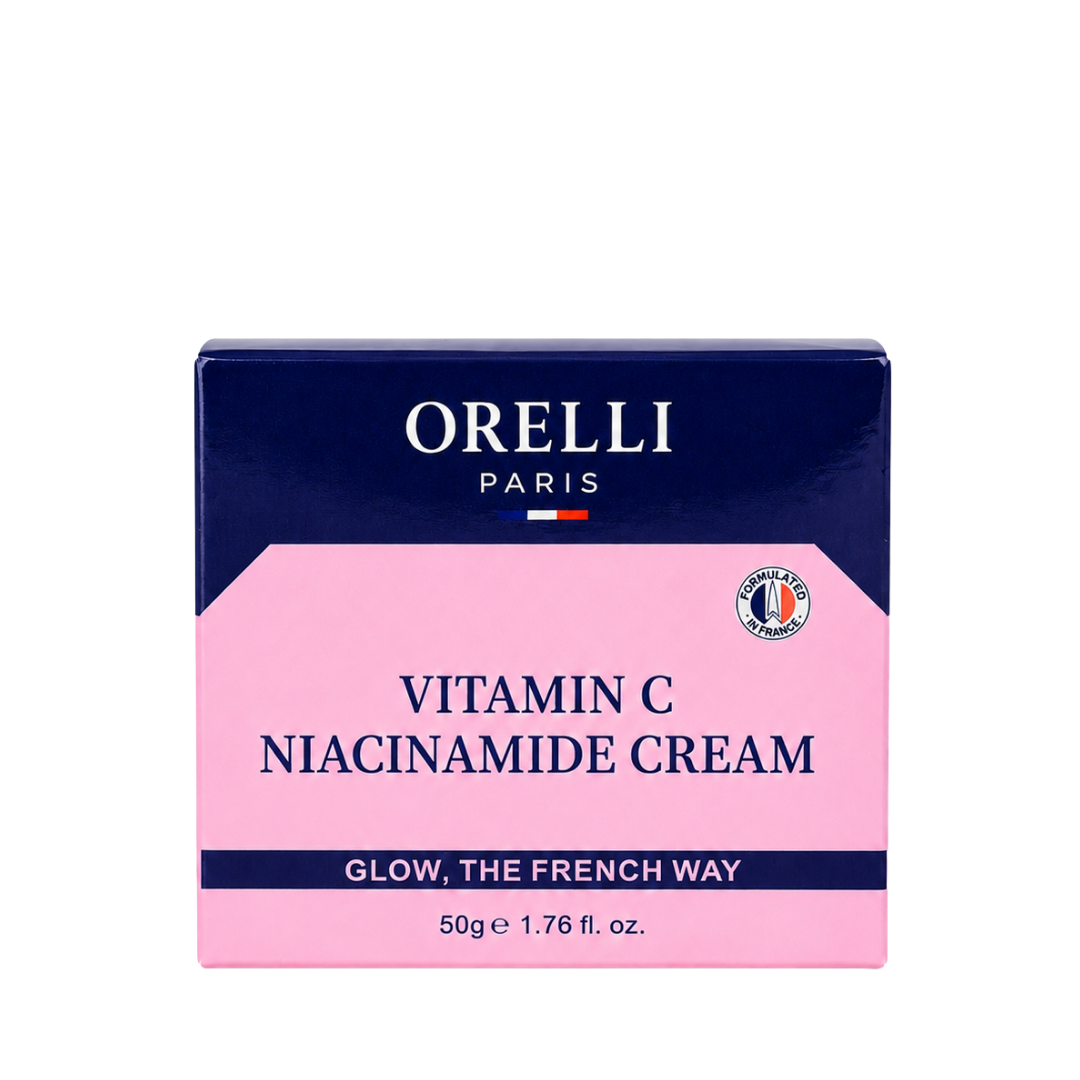
Vitamin C for dull skin can help, but only with part of the problem. As an antioxidant, it helps support a brighter, more even-looking complexion over several weeks, especially when dullness comes from sun exposure, pollution and uneven tone. It cannot put back moisture you have lost, make up for short nights, or clear a build-up of dead skin cells by itself. Knowing which kind of dullness you are dealing with is how you set realistic expectations.
This guide explains what makes skin look flat and tired, which of those causes vitamin C can realistically address, how long changes usually take, and what to pair it with so your routine covers the gaps.
What Makes Skin Look Dull?
Healthy-looking skin reflects light fairly evenly. Skin looks dull when something interrupts that: a rough surface, a lack of water in the outer layers, patchy tone, or a greyish, tired look from lifestyle factors. Most people have more than one of these going on at once, which is why a single product rarely seems to “fix” dullness.
Common contributors include:
- Dehydration: when the skin barrier holds less water, the surface looks flatter and fine lines show more. Air-conditioned offices and hard water can make this worse.
- Dead-skin build-up: skin sheds cells constantly. When the old cells linger, the surface scatters light unevenly and can look rough or ashy.
- Sun and pollution: UV exposure and urban pollution add to oxidative stress, which can contribute to uneven tone and a tired, less radiant look over time.
- Uneven tone and marks: patchy pigmentation or leftover acne marks break up the surface colour, so skin reads as dull even when well hydrated.
- Lifestyle factors: poor sleep, stress, smoking and illness can all show on the face in ways no serum can offset.
How Vitamin C for Dull Skin Actually Works
Vitamin C is one of the skin’s main antioxidants, meaning it helps neutralise the free radicals produced by UV light and pollution. A 2017 review in the Journal of Clinical and Aesthetic Dermatology describes three roles relevant to a brighter look: antioxidant protection, interfering with tyrosinase (the enzyme involved in making melanin), and acting as a cofactor in collagen production.
In practical terms, that means vitamin C mainly helps with the “tone and environment” side of dullness. It can help support a more even-looking complexion and add a layer of antioxidant support against daily sun and pollution. The same review notes that sunscreens do not block all UV-generated free radicals, which is why vitamin C is often worn under SPF in the morning. It supports sunscreen; it never replaces it.
If you are new to the ingredient, our guide to vitamin C in skincare, its forms and how to start covers L-ascorbic acid, derivatives and patch testing in more detail.
What Vitamin C Can and Cannot Do for Dullness
The easiest way to avoid disappointment is to match each cause of dullness with what actually addresses it.
| Cause of dullness | Can vitamin C help? | What else helps |
|---|---|---|
| Sun and pollution exposure | Yes, as antioxidant support | Daily broad-spectrum sunscreen, gentle cleansing at night |
| Uneven tone, marks | Partly, gradually over weeks | Sunscreen, patience, other tone-evening ingredients |
| Dehydration | Not on its own | Humectants (hyaluronic acid, glycerin) and a moisturiser |
| Dead-skin build-up | Not on its own | Gentle, occasional exfoliation |
| Poor sleep, stress, smoking | No | Lifestyle changes; sometimes a doctor’s check |
If your skin feels tight, looks crêpey by afternoon or goes flat under the AC, hydration is probably the bigger lever. If it feels rough to the touch and makeup catches on dry patches, surface build-up is likely part of the picture. Vitamin C earns its place alongside these steps, not instead of them.
How Long Does Vitamin C Take to Brighten Dull Skin?
Expect gradual change over weeks, not days. Clinical studies on topical vitamin C generally run for around 12 to 16 weeks, and the improvements they describe are modest and cumulative. Some people notice their skin looks a little fresher within a few weeks, often because the routine itself (cleansing, moisturising, sunscreen) has become more consistent.
A fair test is to use one vitamin C product consistently for about three months, with daily sunscreen, before deciding whether it is working for you. Switching products every two weeks makes it impossible to judge anything, and layering several strong actives at once raises the risk of irritation, which can make skin look redder and duller rather than brighter.
Pairing Vitamin C With Hydration and Gentle Exfoliation
Because dullness usually has several causes, the most effective approach is a small, balanced routine rather than a stronger vitamin C.
Hydration first
Well-hydrated skin reflects light more evenly, so a humectant serum or a moisturiser with hyaluronic acid or glycerin often makes the quickest visible difference. In humid Indian summers a light gel or lotion is usually enough; during winter, or if you spend long hours in air-conditioning, you may need something richer. Apply vitamin C to clean skin, then follow with moisturiser, and sunscreen in the morning.
Exfoliate gently, not often
Clearing old surface cells can help skin look smoother, but more is not better. The American Academy of Dermatology advises against scrubbing the skin, since irritation can worsen some conditions. A mild chemical exfoliant (such as a low-strength lactic or mandelic acid) once or twice a week is plenty for most people. Many find it easier to use exfoliants at night and keep vitamin C for the morning, so the two are not applied back to back on sensitive days.
Keep the product fresh
L-ascorbic acid in particular oxidises with air, light and heat, and a serum that has turned dark yellow, orange or brown is past its best. Choose opaque or airless packaging, close the cap promptly and avoid storing it on a hot bathroom windowsill. Derivatives such as ethyl ascorbic acid or sodium ascorbyl phosphate are generally more stable, though how they compare in effect varies by formula.
For a full step-by-step routine built around tone and radiance, see our brightening skincare routine guide, and for timing tips, read how to add vitamin C to your morning routine.
When Dullness May Signal Something Else
Most dullness is cosmetic and linked to routine, weather and habits. But if your complexion changes suddenly, looks unusually pale, yellowish or grey, or comes with tiredness, weight changes, itching or other symptoms, it is worth seeing a doctor rather than trying new products. Persistent patches of discolouration are also best checked by a dermatologist.
Frequently Asked Questions
Is vitamin C good for dull skin?
Yes, it can help, particularly when dullness is linked to sun exposure, pollution or uneven tone. It works best as one part of a routine that also includes hydration, gentle exfoliation and daily sunscreen.
Can vitamin C fix dehydrated, dull skin?
Not on its own. Dehydration needs humectants and a moisturiser to restore water in the outer layers; vitamin C adds antioxidant support but does not replace those steps.
Should I use vitamin C in the morning or at night for glow?
Many people prefer the morning, under sunscreen, because of its antioxidant role against daytime sun and pollution. Night use is also fine; consistency matters more than timing.
Why does my skin still look dull after using vitamin C?
Usually because another cause, such as dehydration, surface build-up, irritation or lack of sleep, is doing more of the work. An oxidised product or skipping sunscreen can also limit visible results.
Bringing Back a Brighter Look, Realistically
Using vitamin C for dull skin makes the most sense when you understand what it can and cannot do. It helps support a more even, radiant look by defending against everyday oxidative stress and gradually evening tone, but hydration, gentle exfoliation, sunscreen and sleep carry much of the load. Give one well-stored product around three months, keep the rest of your routine simple, and you will have a fair picture of what it adds. To explore options chosen for this concern, browse our skincare for dullness and lack of glow.
This article is general cosmetic information and is not medical advice. If you have a skin condition or sudden changes in your skin, please consult a dermatologist or doctor.