
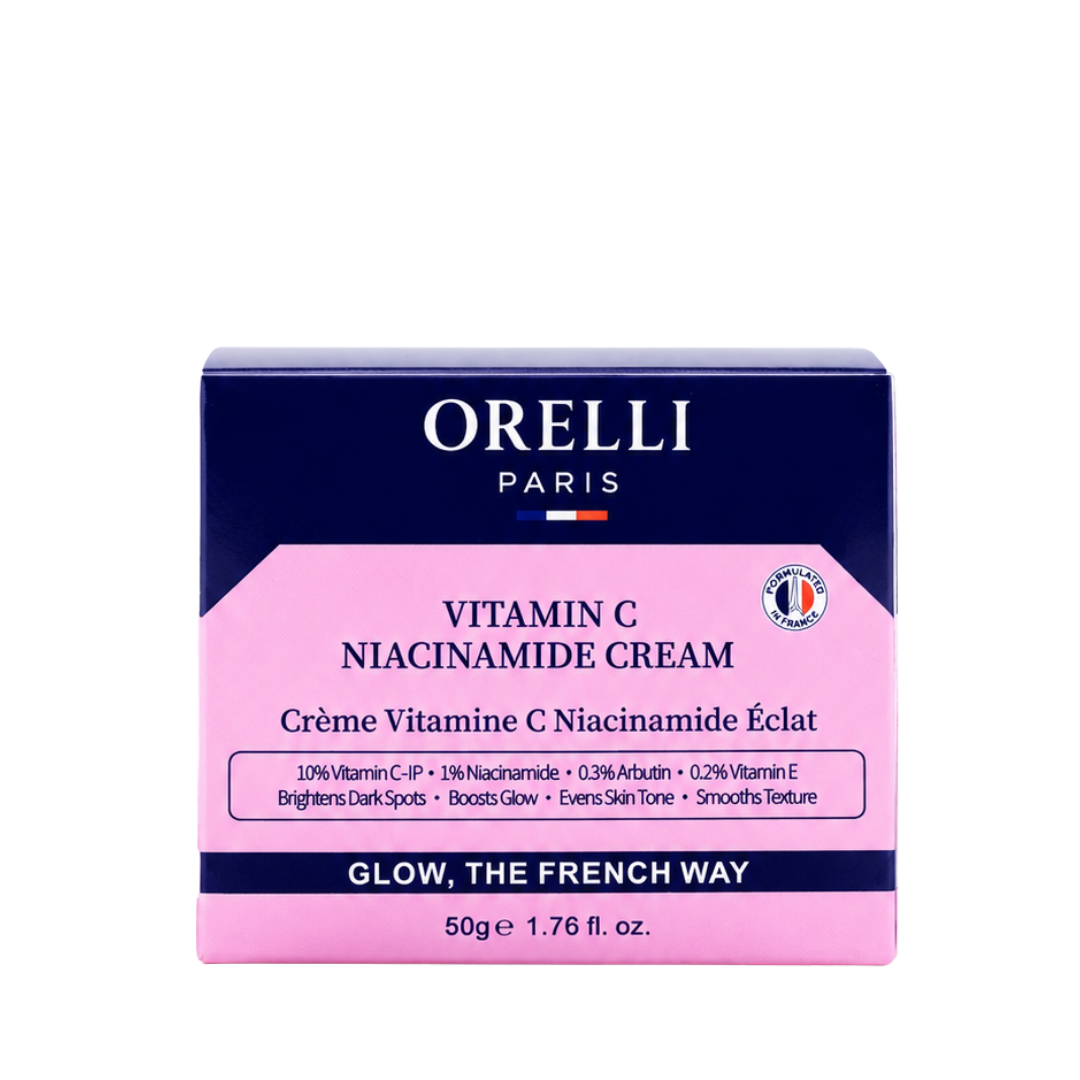
Most vitamin C skincare mistakes have nothing to do with the serum you picked. They come from how it is stored, how strong it is, what it is layered with and how quickly it gets judged. Vitamin C is a fragile ingredient, so small habits decide whether it stays pleasant and useful or turns into a stinging, brownish disappointment.
Below are eleven common slip-ups, why each one matters and what to do instead. If you are brand new to the ingredient, our guide to vitamin C in skincare and how to start covers the basics first.
11 Vitamin C Skincare Mistakes and What to Do Instead
1. Using a serum that has already oxidised
Why it matters: L-ascorbic acid, the pure form of vitamin C, breaks down when exposed to air, light and heat. As it oxidises, a clear or pale serum usually shifts to yellow, then dark orange or brown. By then much of the active has likely degraded.
Instead: Note the colour when you first open the bottle. A slight pale-yellow tint can be normal for some formulas, but if it turns noticeably darker or smells off, replace it. Choose opaque, airless or pump packaging over clear dropper bottles where you can, and close the cap straight after use.
2. Storing it in a hot, humid bathroom or a sunny window
Why it matters: Heat and light speed up oxidation. In much of India, bathroom shelves sit in shower steam and summer rooms easily cross 30°C, while a windowsill adds direct sun.
Instead: Keep vitamin C in a cool, dark cupboard or drawer, away from the geyser and the window. Some people keep it in the fridge during peak summer; check the label first, as some brands advise against it.
3. Starting with a very high-strength L-ascorbic acid on sensitive skin
Why it matters: L-ascorbic acid needs a low (acidic) pH to penetrate well, and it is often sold at 15–20%. A review of vitamin C in dermatology published in the Indian Dermatology Online Journal notes that effectiveness does not keep rising indefinitely with concentration, while that low pH can make strong formulas sting, especially on sensitive, dry or rosacea-prone skin.
Instead: Start with a lower concentration, or with a derivative such as sodium ascorbyl phosphate, magnesium ascorbyl phosphate, ascorbyl glucoside or ethyl ascorbic acid. Derivatives are generally more stable and often gentler, though they may work more slowly. Use it every other morning for the first week or two before going daily.
4. Expecting vitamin C to replace sunscreen
Why it matters: Vitamin C is an antioxidant. It may help support the skin against some of the oxidative stress caused by UV and pollution, but it does not absorb or block UV rays the way sunscreen does, and it has no SPF rating.
Instead: Think of the two as teammates. Apply vitamin C, then moisturiser, then a broad-spectrum sunscreen of SPF 30 or higher, following the American Academy of Dermatology’s guidance on applying sunscreen. Our post on adding vitamin C to your morning routine shows the full order.
5. Layering it with too many acids and retinoids at once
Why it matters: Stacking an acidic vitamin C serum with glycolic or salicylic acid toners, exfoliating pads and a retinoid in the same routine is one of the fastest ways to end up with redness, flaking and a stressed barrier.
Instead: A simple split works for most people: vitamin C in the morning, retinoid or exfoliating acid at night, and not every night at first. Introduce one new active at a time. Retinoids, including retinol, are generally not recommended during pregnancy or while trying to conceive, so check with your doctor before using them. Niacinamide is usually easier to pair; see whether vitamin C and niacinamide can be used together.
6. Using too much
Why it matters: More serum does not mean faster results. Extra product can feel tacky, pill under sunscreen and raise the chance of irritation.
Instead: Three to five drops, or one pump, is usually enough for the face and neck.
7. Giving up after two weeks
Why it matters: Skin renews itself gradually, so changes in the look of dullness or uneven tone take time. Two weeks is usually too short to judge whether a product suits you, unless it is irritating you.
Instead: Give a well-tolerated product around 8–12 weeks of consistent use alongside daily sunscreen.
8. Applying it to broken or irritated skin
Why it matters: An acidic serum on a fresh cut, a picked spot, sunburn, a windburnt patch or skin just after waxing or threading is likely to sting and may prolong the irritation.
Instead: Skip vitamin C on those areas until they have healed. Focus on a gentle cleanser, a plain moisturiser and sunscreen for a few days, then reintroduce it.
9. Ignoring tingling that turns into burning
Why it matters: A mild, brief tingle can be normal with L-ascorbic acid. Burning, lasting redness, itching, swelling or a rash is not something to push through; it can signal irritation or, less commonly, an allergic reaction.
Instead: Rinse it off with cool water, stop using it and let your skin settle. Patch test new products on the side of the neck or behind the ear for a few days first. If symptoms persist or are severe, see a dermatologist.
10. Buying a huge bottle you cannot finish in time
Why it matters: Once opened, a vitamin C serum starts its countdown. A large bottle used a few drops at a time may oxidise long before you reach the bottom, especially through a humid monsoon.
Instead: Buy a size you can realistically finish within the period-after-opening shown on the pack (the small open-jar symbol, such as “3M” or “6M”).
11. Mistaking a temporary tint for results
Why it matters: Some people notice a faint yellow or orange tinge on their skin, fingertips or around the nails after using certain vitamin C serums, particularly older or oxidised ones. This is generally thought to be a surface reaction between vitamin C breakdown products and skin proteins, somewhat like a mild self-tan. It fades as skin sheds and is not a sign that your tone has changed.
Instead: Judge results by the overall look of radiance and evenness over weeks, not by a tint. If staining appears, check whether the serum has darkened, use less, and wash your hands after applying.
Quick Reference: Mistake vs Better Habit
| Mistake | Better habit |
|---|---|
| Dark orange or brown serum | Replace it; choose opaque or airless packaging |
| Stored in a steamy bathroom | Cool, dark cupboard or drawer |
| 20% L-ascorbic acid on sensitive skin | Lower strength or a derivative, used every other day at first |
| Skipping sunscreen | Vitamin C first, broad-spectrum SPF 30+ on top |
| Acids, retinoid and vitamin C together | Vitamin C in the morning, other actives at night |
| Quitting after two weeks | Around 8–12 weeks of consistent use |
| Pushing through burning | Rinse off, stop, see a dermatologist if it persists |
How to Use Vitamin C Safely in an Indian Climate
Heat, humidity, pollution and air-conditioned offices all affect how vitamin C behaves on your skin and shelf. Lightweight serums suit humid months, while AC rooms may call for a slightly richer moisturiser on top. Keep the routine simple: cleanse, vitamin C, moisturiser, sunscreen. If your main goal is a brighter look, you can browse our edit for dullness and lack of glow.
Frequently Asked Questions
How do I know if my vitamin C serum has gone bad?
A clear sign is colour: if it has turned dark orange or brown, it has probably oxidised and is best replaced. A changed smell or an expired period-after-opening are other reasons to stop.
Is it normal for vitamin C to tingle?
A mild tingle that fades within a minute or so can be normal, especially with L-ascorbic acid. Burning, lasting redness, itching or swelling is not normal; rinse it off and stop using it.
Can I use vitamin C with retinol?
Yes, many people use both, but usually at different times: vitamin C in the morning and retinol at night. Introduce them one at a time, and avoid retinoids if you are pregnant, breastfeeding or trying to conceive unless your doctor advises otherwise.
The Takeaway: Small Habits, Better Results
Avoiding the most common vitamin C skincare mistakes comes down to a few steady habits: use a fresh product, store it somewhere cool and dark, start gently, keep sunscreen non-negotiable, avoid stacking actives, and give it time. Together they help this fragile ingredient do its job without upsetting your skin.
This article is general cosmetic information and is not medical advice. For persistent irritation, pigmentation or skin conditions, please consult a qualified dermatologist.