
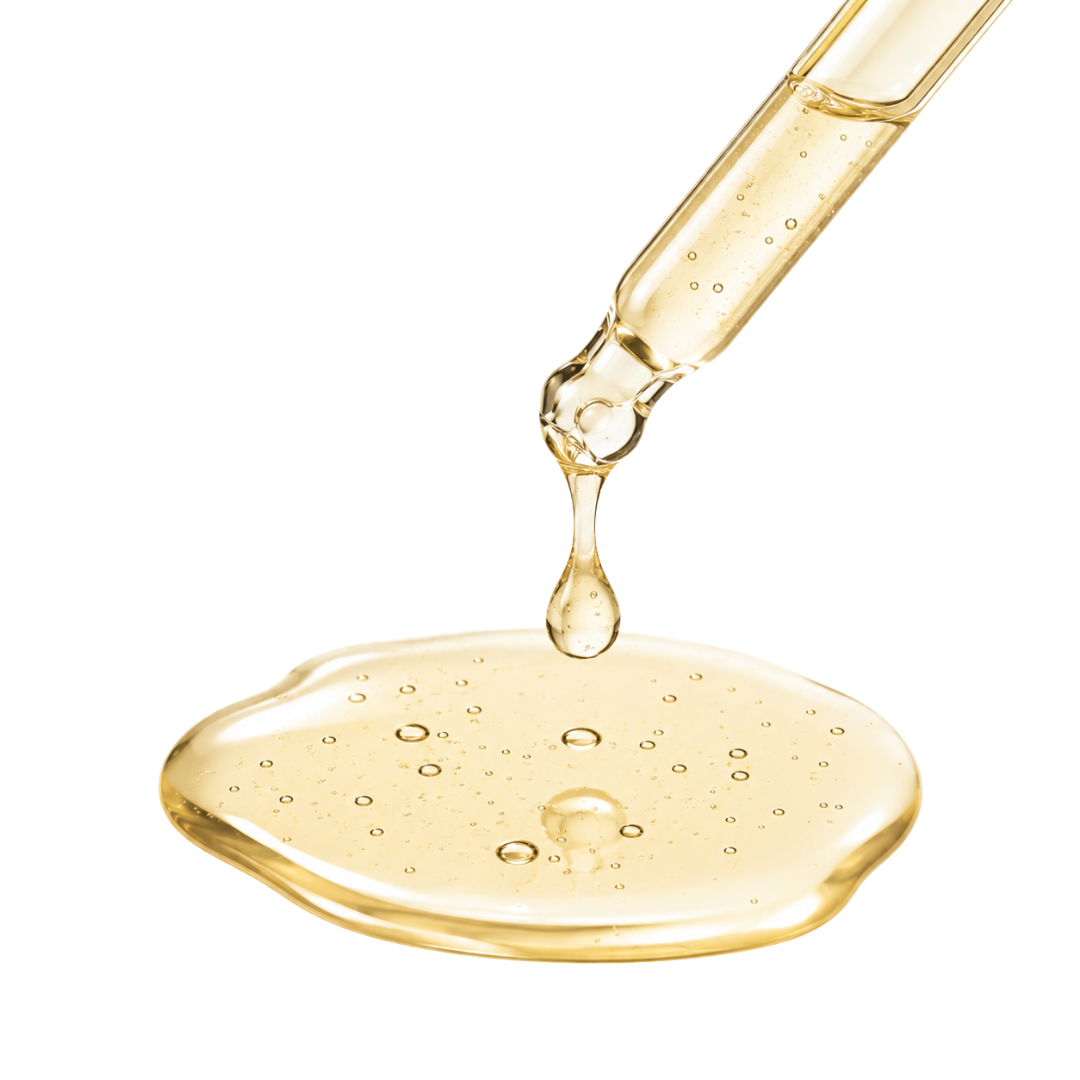
So, what is PDRN in skincare? PDRN stands for polydeoxyribonucleotide: purified fragments of DNA, usually taken from salmon or trout. It began as a medical ingredient studied for wound healing. Today it also turns up in creams, serums and sheet masks, where brands use it mainly to support hydration and a comfortable, healthy-looking complexion.
That short answer leaves a lot out, and PDRN skincare has picked up a fair amount of hype. This guide covers the basics: what the name means, where PDRN comes from, how researchers think it works, and the gap between clinic treatments and the jar on your shelf. It is also a straight account of what the evidence does and doesn’t tell us about topical products.
What Does PDRN Stand For?
Poly-deoxy-ribo-nucleotide sounds intimidating, but the name describes the ingredient fairly literally:
- Nucleotides are the small building blocks that DNA is made from.
- Deoxyribo refers to deoxyribose, the sugar in DNA (the “D” in DNA).
- Poly means many, so PDRN is a chain of many of these units.
Put simply, PDRN is a mixture of DNA fragments that have been purified and cut to a specific size range. It is not living cells, it is not genetic material that becomes part of you, and it doesn’t “rewrite” your DNA. You may also see a close relative called polynucleotides (PN), which are longer DNA chains. That comparison deserves its own article, so here we stick to PDRN.
Where Does PDRN Come From?
Most PDRN is extracted from the sperm cells (milt) of salmon and trout. A widely cited 2017 review in Frontiers in Pharmacology by Squadrito and colleagues describes it as coming from the sperm DNA of salmon trout (Oncorhynchus mykiss) or chum salmon (Oncorhynchus keta). Fish DNA is used partly because it can be purified to a high degree, which leaves very little protein behind.
This is where the popular nickname “salmon DNA skincare” comes from. It sounds exotic, but the ingredient in a cosmetic is a highly processed, purified extract, not fish oil or fish tissue.
How Researchers Think PDRN Works (in Plain Language)
The review by Squadrito et al., “Pharmacological Activity and Clinical Use of PDRN” (PMC) describes two main mechanisms, mostly studied in laboratory and medical settings:
1. Signalling through the adenosine A2A receptor
Cells carry receptors on their surface that act like doorbells. PDRN appears to “ring” one called the adenosine A2A receptor. In experimental studies, activating this receptor is linked to signals involved in tissue repair, new blood vessel formation and a calmer inflammatory response. That is why PDRN was originally investigated for slow-healing wounds.
2. Supplying the “salvage pathway”
Cells can either make nucleotides from scratch, which takes a lot of energy, or recycle ready-made pieces through what’s called the salvage pathway. As PDRN breaks down, it can provide these recycled building blocks. Researchers think this may help stressed cells in damaged tissue that are short on resources.
One important caveat: these mechanisms were mainly described for PDRN delivered by injection or applied to wounds, where it reaches living tissue directly. Intact skin is a very effective barrier, so we can’t assume the same thing happens when you smooth on a cream.
Medical PDRN vs PDRN Skincare: Not the Same Thing
Much of the confusion about PDRN comes from mixing up two very different settings. The table below sets them side by side.
| Medical / clinic use | Cosmetic PDRN skincare | |
|---|---|---|
| Format | Injections, intradermal treatments, medical wound gels | Creams, serums, jelly moisturisers, sheet masks |
| Who uses it | Doctors and qualified aesthetic professionals | Anyone, as part of a daily routine |
| What was studied | Diabetic foot ulcers, wound and graft healing, some aesthetic procedures | Far fewer independent studies |
| Realistic expectation | Clinical outcomes measured in trials | Supports hydration, comfort and the look of smoother, healthier skin |
The “salmon DNA facials” or “skin booster injections” you may have heard about are medical procedures that inject PDRN into the skin. They should only be done by qualified, licensed professionals. A PDRN cream is a cosmetic, and it is a completely different experience with different expectations.
What the Evidence Does and Doesn’t Show for Topical PDRN
Clinical research on PDRN (see the PubMed listing for the Squadrito review) is mostly about injectable and medical use. Most of the evidence for its effects on wound healing and tissue repair comes from those settings.
For everyday creams and serums the picture is thinner. There are relatively few independent, well-controlled studies, and results from medical injections can’t simply be transferred to a leave-on cosmetic. So an honest summary looks like this:
- Reasonable to expect: a well-formulated PDRN moisturiser can help skin feel hydrated, soft and comfortable. Much of that often comes from the supporting ingredients in the same formula.
- Not established: claims that a cream “repairs DNA”, “regenerates skin” or gives the same results as injections.
This doesn’t make PDRN skincare pointless. It means you should judge it by how your skin looks and feels over several weeks, not by what the headlines say.
Who Might Consider PDRN Skincare?
PDRN tends to be used in gentle, comfort-focused formulas, so it may appeal to people who:
- want a lightweight moisturiser that suits humid Indian weather but still feels hydrating;
- have skin that feels tight or stressed from long hours in air-conditioning, pollution or hard water;
- are curious about Korean-inspired skincare and like layering hydrating textures.
It is not a treatment for acne, melasma, eczema or scarring. For those, see a dermatologist. Beginners should add one product at a time to a basic routine; our simple skincare routine for beginners is a good starting point. If you want to know where a PDRN cream fits, our guide on how to layer skincare products in the correct order covers it: moisturiser goes after serums and before sunscreen in the morning.
ORELLI PARIS makes one example of this format, the PDRN Collagen Jelly Cream. It is a lightweight jelly-cream that pairs PDRN with peptides, hyaluronic acid, niacinamide, panthenol and squalane. We looked at the texture in more detail in our earlier post on the PDRN collagen jelly cream. You can also browse other comfort-focused formulas in our skin barrier support collection.
A Note on Fish Origin, Vegans and Allergies
Because PDRN usually comes from salmon or trout, it is an animal-derived ingredient. Most vegans will want to avoid it, and people with fish allergies should be cautious. Purification removes most proteins, but if you have a known fish allergy, check the label, ask the brand about the source and speak to your doctor before using it. Anyone can patch test a new product on the inner arm or behind the ear for a few days before applying it to the face.
Frequently Asked Questions
Is PDRN really made from salmon sperm?
Yes, most PDRN is purified from the sperm DNA of salmon or trout. The final ingredient is a refined DNA fraction, not raw fish material.
Does PDRN skincare work like PDRN injections?
No, you shouldn’t expect it to. Injections deliver PDRN straight into the skin under medical supervision, while creams sit on the surface. Topical products are best seen as supporting hydration and the look of healthy skin.
Is PDRN safe for sensitive skin?
PDRN is generally used in gentle formulas, but how well you tolerate a product depends on the whole ingredient list. Patch test first, and check with a dermatologist if you have a skin condition or a fish allergy.
Can I use PDRN with vitamin C or niacinamide?
Usually yes. PDRN isn’t known to clash with common ingredients like vitamin C or niacinamide. Introduce new products one at a time so you can tell how your skin responds.
The Takeaway on PDRN
If you’ve been wondering what PDRN in skincare actually is, it comes down to purified salmon or trout DNA fragments. The most convincing science on PDRN comes from medicine, especially wound healing and injectable treatments. Skincare borrowed the ingredient from there, but topical research is still limited. Choose PDRN skincare for comfort and hydration, keep your expectations realistic, check the source if you avoid animal ingredients, and leave injections to qualified professionals.
This article is general cosmetic information and is not medical advice. For skin conditions, allergies or procedures, please consult a qualified dermatologist.