

PDRN and collagen are often mentioned in the same breath, but they work in very different ways. Collagen is the protein that gives skin much of its structure; PDRN is a DNA-derived ingredient being studied for how it may support skin’s comfort and recovery. Neither one “adds” collagen back to your face from a jar, and understanding that difference is the easiest way to choose skin-supporting ingredients with realistic expectations.
Below: what collagen does, why it declines, what topical collagen can do, and where retinoids, vitamin C, peptides, PDRN and sunscreen fit.
How Collagen Works in Skin
Collagen is a family of structural proteins found in the dermis, the layer beneath the visible surface. Together with elastin and a gel-like matrix that holds water, it helps skin look firm, smooth and resilient. It is made by cells called fibroblasts, and the body is constantly building and breaking it down.
With age, that balance slowly shifts: production tends to slow while breakdown continues. This natural, genetic process is called intrinsic ageing. On top of it sits extrinsic ageing, driven by the environment and lifestyle, and the biggest factor there is ultraviolet (UV) exposure. The American Academy of Dermatology notes that the sun plays a major role in prematurely ageing skin, alongside smoking and other habits. UV light contributes to collagen breakdown over years, which is why sun-exposed areas such as the face, neck and hands usually show fine lines and a loss of firmness first.
Does Topical Collagen Build Collagen in Your Skin?
Short answer: not directly. Intact collagen is a very large molecule, far too big to travel through the outer layer of skin and slot into the collagen network in the dermis. When you apply a cream containing collagen, it mostly stays on the surface.
That does not make it useless. On the surface, collagen acts as a humectant and film-former: it attracts and holds water and leaves a soft, smooth layer that can make skin feel more hydrated and look plumper for a while. Hydrolysed collagen and collagen peptides are broken into smaller fragments, which may interact with the upper layers of skin differently, but evidence that they meaningfully rebuild dermal collagen when applied topically is limited. A review of collagen in clinical studies (PMC) gives a useful overview of how collagen products have been tested, and the honest summary is that topical collagen is best thought of as a hydrating, skin-conditioning ingredient.
PDRN and Collagen: What Is the Connection?
PDRN (polydeoxyribonucleotide) is made of DNA fragments, most commonly derived from salmon or trout. Much of the research behind it comes from medical and injectable use, such as wound healing and regenerative treatments, where it has been studied for supporting tissue repair processes. Laboratory and clinical work in those settings has looked at effects on fibroblast activity, which is why PDRN and collagen are often linked in marketing.
For topical creams, the evidence is still early and much thinner. It is reasonable to say a PDRN cream may help support hydration, comfort and the look of smoother, more rested skin; it is not accurate to say it repairs DNA or regenerates collagen. “Salmon DNA” injections are medical procedures done by qualified professionals and are not the same as a skincare product. Because PDRN is fish-derived, it may not suit vegans or people with fish allergies, so check labels and patch test. Our guide to what PDRN is in skincare covers the ingredient itself in more depth.
Skin-Supporting Ingredients That Work by Different Routes
If collagen itself cannot be topped up from a jar, the practical question becomes: which skin-supporting ingredients help protect what you have or encourage skin’s own processes? The main candidates each work differently.
Retinoids
Retinoids (including retinol and prescription tretinoin) are the most studied topical ingredients for the look of fine lines and firmness. Prescription retinoids have the strongest evidence; over-the-counter retinol is gentler and converts to the active form in skin, so results are usually slower. Start slowly, use at night, and expect some dryness at first. Retinoids are generally not recommended during pregnancy or while trying to conceive, so speak to your doctor before using any retinoid product.
Vitamin C
Vitamin C is an antioxidant and is needed by the body for normal collagen formation. Topically, it helps defend against some environmental stress and supports a brighter-looking tone. It works well in the morning under sunscreen, but it does not replace it. See our beginner’s guide to vitamin C in skincare for forms and how to start.
Peptides
Peptides are short chains of amino acids. Some are “signal” peptides intended to communicate with skin cells; others mainly condition and hydrate. Evidence varies by peptide and many studies are small, so treat them as a gentle, supportive option rather than a replacement for retinoids or sunscreen.
Sunscreen: The Most Important Collagen Protector
No cream does more for collagen than daily broad-spectrum sunscreen, because it limits one of the main causes of breakdown in the first place. The AAD recommends SPF 30 or higher, applied every day to exposed skin. In India, UV levels stay high through much of the year, including on cloudy monsoon days, so reapplication matters if you are outdoors.
Comparing Collagen-Supporting Ingredients at a Glance
| Ingredient | What it’s thought to do | Strength of evidence | Notes |
|---|---|---|---|
| Sunscreen (broad-spectrum SPF 30+) | Limits UV-driven collagen breakdown | Strong | Daily, all year; reapply outdoors |
| Retinoids (retinol, tretinoin) | Encourage cell turnover; support the look of firmness over time | Strong (prescription); moderate (retinol) | Night use; start slowly; avoid in pregnancy |
| Vitamin C | Antioxidant; cofactor in collagen formation | Moderate | Morning, under sunscreen; can oxidise |
| Peptides | Signalling or conditioning, depending on type | Mixed; varies by peptide | Generally gentle |
| PDRN (topical) | May support hydration, comfort and recovery | Early for creams; more data in injectable use | Fish-derived; patch test |
| Collagen / hydrolysed collagen (topical) | Surface hydration and a smoothing film | Good for hydration; limited for rebuilding collagen | Large molecule; stays mostly on the surface |
What About Oral Collagen Supplements?
Oral collagen peptides have been studied more than topical collagen, and some trials report improvements in skin hydration or elasticity. However, many studies are small, use different products and doses, and are funded by manufacturers, so the evidence is still debated. Supplements are also not tightly regulated in the way medicines are. If you are considering one, especially if you are pregnant, breastfeeding, have kidney problems or take other medication, speak to a doctor first.
Putting Skin-Supporting Ingredients Into a Simple Routine
You do not need every ingredient above. For most people: cleanser, vitamin C, moisturiser and sunscreen in the morning; a retinoid or hydrating cream on alternate nights while skin adjusts. Humid Indian summers suit lighter textures; air-conditioned offices may call for richer ones.
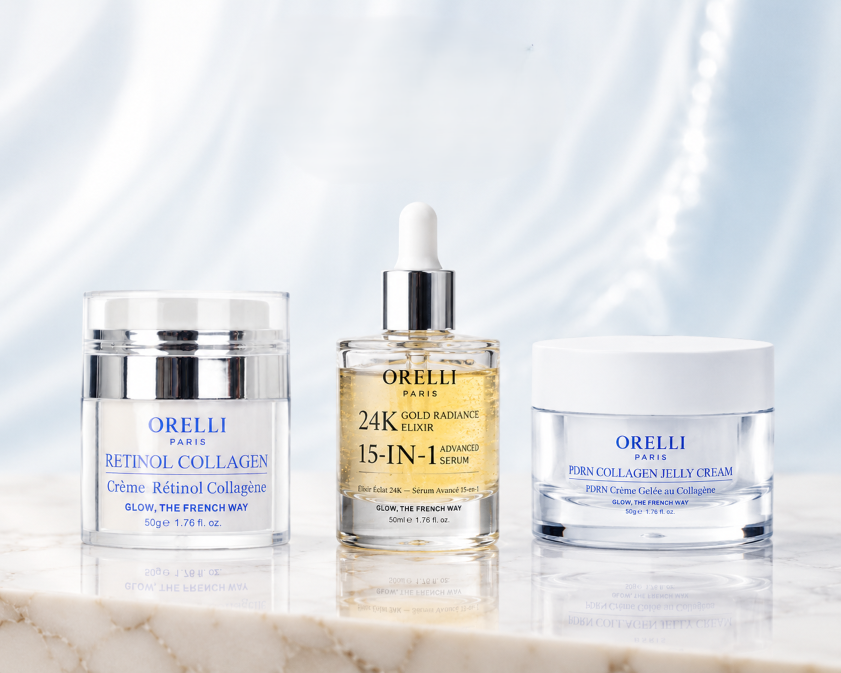
Some formulas combine routes. Our Retinol Collagen cream pairs encapsulated retinol with hydrolysed collagen and hyaluronic acid, so the collagen contributes surface hydration while the retinol works on the look of fine lines over time. As with any retinol product, follow the directions on the pack, introduce it gradually, wear sunscreen daily, and avoid it during pregnancy unless your doctor advises otherwise. For a closer look at how that pairing works, read our retinol collagen cream deep dive, or browse products for fine lines and early ageing.
Frequently Asked Questions
Can collagen cream increase collagen in my skin?
Not directly. Collagen molecules are too large to reach the dermis intact, so collagen creams mainly hydrate and smooth the surface. Ingredients such as retinoids and daily sunscreen do more for the collagen you already have.
Is PDRN better than collagen for skin?
They are not direct substitutes. Topical collagen is mainly a hydrating film-former, while PDRN is being studied for supporting skin comfort and recovery, with most research coming from injectable and medical use. Both can sit in a routine as supportive ingredients.
Can I use PDRN and retinol together?
Many people can, as PDRN creams are typically hydrating and gentle. Introduce one new product at a time, patch test, and if retinol makes you dry or irritated, use the PDRN product on the nights you skip retinol.
What is the best way to protect collagen as I age?
Daily broad-spectrum sunscreen is the single most effective step. Not smoking, a balanced diet, adequate sleep and a consistent routine with a retinoid (if suitable for you) add further support.
The Takeaway on PDRN, Collagen and Firmer-Looking Skin
Understanding PDRN and collagen comes down to one idea: most skin-supporting ingredients protect or encourage skin’s own collagen rather than replacing it. Topical collagen hydrates the surface, PDRN shows early promise for comfort and recovery, retinoids and vitamin C work through their own routes, and sunscreen protects everything else you do. Choose a few well-tolerated products, give them months, and see a dermatologist for prescription options.
This article is general cosmetic information and is not medical advice. If you are pregnant, have a skin condition or are unsure about an ingredient, please consult a dermatologist or doctor.