

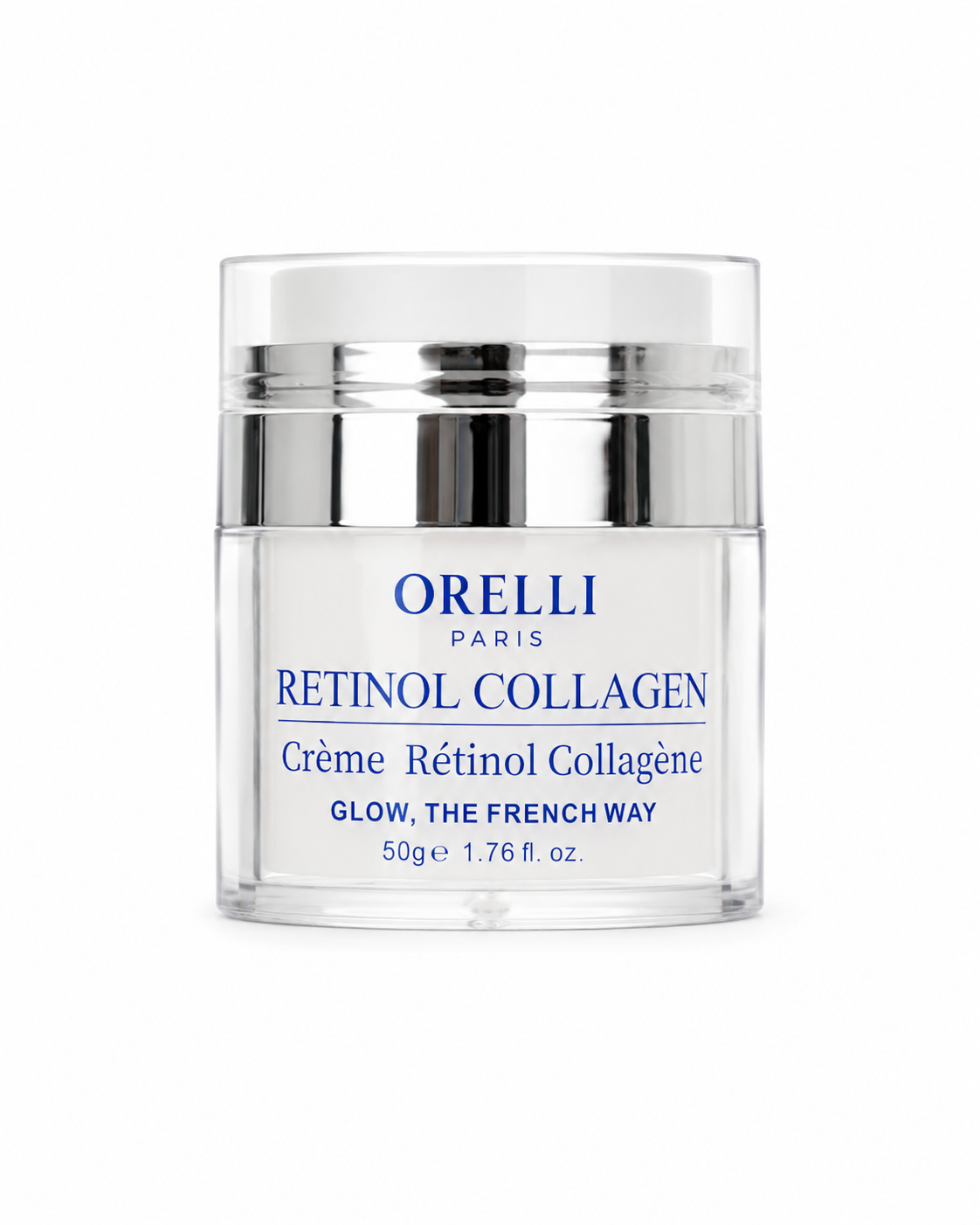
Picture this. You buy your first retinol serum after weeks of reading reviews. It feels lovely, so you use it every night. By day five your cheeks feel tight, the sides of your nose are peeling and even your usual moisturiser stings. The retinol did not fail. The pace did.
Knowing how to introduce retinol is really about pacing. The ingredient itself is well studied and widely used, but skin needs time to get used to it. This article focuses on the practical tools that help you do that without the red, flaky phase many people think is unavoidable.
Why Retinol Needs an Introduction Period
Retinoids can cause what dermatologists call retinoid dermatitis, which shows up as redness, peeling and dry skin. DermNet lists these as common effects of topical retinoids, and they are most likely in the early weeks or after increasing strength too quickly.
The good news is that skin usually adapts. Giving it gaps between applications, a comfortable moisturiser and a steady rhythm tends to make that adjustment far smoother. If you have not started yet and want the basics first, read our guide to retinol for beginners before continuing here.
How to Introduce Retinol: The Low-and-Slow Principle
The simplest rule is to change only one thing at a time. Start with a low-strength product, a small amount and infrequent use. Increase frequency first, and consider a stronger product only after months of comfortable use.
A pea-sized amount covers the whole face. Many people instinctively use more on areas they want to “work on”, such as fine lines around the mouth, but those areas are often the most reactive. Spread a thin, even layer instead.
Begin with two non-consecutive nights a week, such as Monday and Thursday. Hold that rhythm for at least two weeks before adding a third night. If your skin feels calm, keep moving forward. If it feels tight or stings when you apply moisturiser, stay where you are for longer.
Gentle Techniques That Soften the Start
Beyond frequency, a few application techniques can make retinol feel kinder, especially for dry or sensitive skin.
The moisturiser sandwich
Apply a thin layer of a simple moisturiser, let it settle, apply your retinol and then add another layer of moisturiser. This buffering approach may reduce how intensely the retinol reaches the skin, which can mean less irritation. Some people also apply moisturiser first and retinol second. Either way, you trade a little potency for comfort, which is often a good exchange in the first month.
Protect the sensitive corners
Before applying retinol, smooth a little barrier balm or petroleum jelly over the corners of your nose, the edges of your lips and the outer corners of your eyes. These spots tend to peel first because product collects in the creases.
Apply to fully dry skin
Damp skin can let actives feel stronger. After cleansing, wait until your face feels completely dry before applying retinol.
Short-contact use
For very reactive skin, some people apply retinol for a short time, such as 20 to 30 minutes, and then rinse it off before moisturising. It is a gentle way to test tolerance, and you can gradually extend the time before moving to leave-on use. If you have a skin condition, ask your dermatologist whether this approach suits you.
Clear Your Routine Before You Add Retinol
One common reason retinol “doesn’t agree” with skin is that it arrives in an already busy routine. If you are using exfoliating acids, scrubs, strong vitamin C serums or acne treatments, the combined load can easily tip skin into irritation.
In the first month, keep retinol nights simple: cleanser, retinol and moisturiser. Move exfoliants to separate nights, or pause them entirely while you settle in. Keeping the rest of your routine minimal also makes it easier to see what is causing any reaction. Our simple beginner routine is a good baseline to build retinol onto.
Reading Your Skin’s Signals
Learning to tell normal adjustment from genuine irritation helps you know when to push forward and when to hold back.
Mild dryness, slight tightness after cleansing or a little flaking around the nose are usually signs to keep going at the same pace and add more moisture. Persistent stinging, redness that lasts into the next day, a burning feeling, rough patches that spread or skin that feels raw are signs to stop for a few nights.
For medium to deep skin tones, which are common across India, prolonged irritation matters for another reason. The American Academy of Dermatology notes that irritation from retinoids can trigger dark marks in darker skin, which is why it advises starting slowly and using moisturiser. Pushing through a painful reaction can leave you with pigmentation that takes longer to fade than the dryness did.
What to Do If You Have Overdone It
If your skin is already red and sore, pause retinol completely. Switch to a gentle cleanser, a fragrance-free moisturiser and sunscreen. Skip exfoliants, toners with alcohol and other actives until your skin feels normal again, which may take anywhere from a few days to a couple of weeks.
Once your skin feels comfortable again, restart at a lower frequency than before, even if that means going back to once a week. If you want products focused on comfort during that recovery phase, you can browse our barrier support range. If irritation is severe, blistering, swollen or not settling, see a dermatologist.
Climate Matters More Than You Might Think
In India, the same routine can feel very different in May, in the monsoon and in a Delhi winter. Dry, cold air and indoor heating can make retinol feel harsher, while heavy humidity often makes it easier to tolerate. It is completely reasonable to use retinol less often in winter and more often during humid months. Adjusting to the season is not going backwards; it is part of using retinol well.
Whatever the season, the daytime rule stays the same. Retinoids can increase sun sensitivity, so apply a broad-spectrum sunscreen every morning and reapply when outdoors.
A Note on Pregnancy and Breastfeeding
Retinoids are generally avoided during pregnancy. If you are pregnant, planning a pregnancy or breastfeeding, do not start retinol, and ask your doctor about suitable alternatives.
Frequently Asked Questions
How long does it take to get used to retinol?
Many people find their skin settles after several weeks of steady, gentle use, though it varies. Moving slowly and moisturising well usually shortens the uncomfortable phase.
Should I stop retinol if my skin is peeling?
Light flaking can be part of adjustment, so reduce frequency and moisturise more. Heavy peeling with redness or stinging means pause entirely until your skin recovers.
Can I introduce retinol and vitamin C at the same time?
It is better to introduce one new active at a time. Once retinol feels comfortable, many people use vitamin C in the morning and retinol at night.
Does buffering retinol make it useless?
No. Buffering may soften the effect a little, but steady use over months matters more than intensity. Comfortable skin that tolerates retinol regularly is a better outcome than irritated skin that needs frequent breaks.
The Takeaway
How to introduce retinol comes down to patience and observation: low strength, a small amount, two nights a week and a simple routine around it. Use buffering and protective balms if your skin is dry or sensitive, adjust to the season and listen to your skin’s signals. A slower start usually leads to steadier progress.
This article is general cosmetic information and is not medical advice. Please consult a dermatologist for persistent irritation or skin conditions, and a doctor before using retinoids if you are pregnant or breastfeeding.