

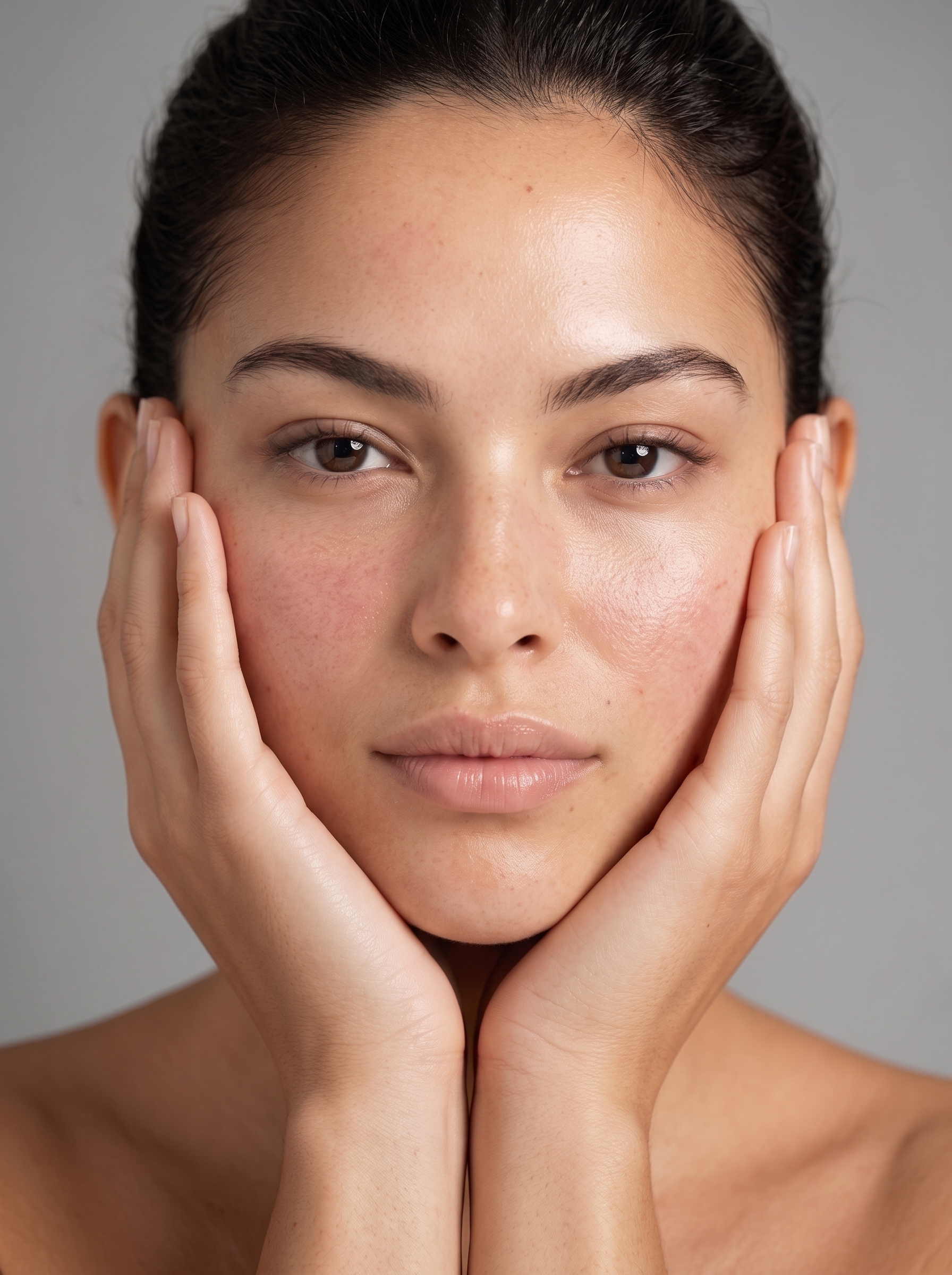
Two people can use the same cleanser and moisturiser and get opposite results: one comfortable, the other shiny by lunch or tight by evening. The products were not the problem. The match was. A skincare routine for your skin type starts with a simple question most people skip: how does your skin actually behave when you leave it alone?
This guide walks through how to identify your skin type at home, how that differs from a skin concern, and how to shape the same basic routine around normal, oily, dry, combination and sensitive skin. The steps barely change. The textures do.
What “Skin Type” Actually Means
The American Academy of Dermatology describes five broad skin types in its skin care guidance: sensitive skin may sting or burn after product use; normal skin is clear and not sensitive; dry skin is flaky, itchy or rough; oily skin is shiny and greasy; and combination skin is dry in some areas and oily in others.
Skin type is your baseline: how much oil your skin makes, how well it holds water and how easily it reacts.
Skin type vs skin concern vs skin condition
These three often get mixed up.
- Skin type is your baseline behaviour: oily, dry, normal, combination or sensitive. It shapes texture choices.
- Skin concern is something you want to improve cosmetically: dullness, uneven tone, dark spots, fine lines, occasional breakouts. Concerns are addressed with targeted ingredients, usually in a serum.
- Skin condition is a medical diagnosis such as acne vulgaris, rosacea, eczema, psoriasis or melasma. These need a dermatologist, not a routine built from guesswork.
You can have dry skin with a pigmentation concern, or oily skin that is also sensitive. Build the base of your routine around your type, then layer in one targeted product for your concern. If it looks like a condition, such as persistent redness or painful cysts, get it checked first.
How to Find Your Skin Type at Home
Neither of these checks is a medical test, but both give a practical read on how your skin behaves.
The bare-face test
Wash your face with a mild cleanser, pat it dry and apply nothing at all. Wait about 30 minutes, ideally in a room without the AC or fan blowing directly on you, then look in a mirror in natural light. If your skin feels tight or looks flaky, it leans dry. If your forehead, nose, chin and cheeks all look shiny, it leans oily. Shine only through the T-zone with normal or tight cheeks points to combination. Comfortable skin with no obvious shine or tightness is likely normal.
The blotting-paper test
A few hours after cleansing, press clean blotting sheets gently on different areas of your face and hold them up to the light. Heavy oil from every zone suggests oily skin; oil from the forehead and nose only suggests combination; very little oil anywhere suggests dry skin; a light, even amount suggests normal skin.
Sensitivity does not show up on blotting paper. You recognise it by how your skin responds to products, weather and friction: stinging, burning, itching or redness that appears easily. It can sit on top of any other type.
Building a Skincare Routine for Your Skin Type
Every type follows the same simple structure: cleanse, moisturise, and protect with sunscreen in the morning. If you are new to that structure, our beginner’s three-step routine covers it step by step. What changes by skin type is the texture of each product and how much you add on top.
Normal skin
Normal skin tolerates most textures, which makes it easy to overdo things. A gentle gel or cream cleanser, a light lotion or gel-cream moisturiser and a broad-spectrum sunscreen are enough. Add one serum only if you have a specific concern. The goal is maintenance, not correction.
Oily skin
Oily skin still needs moisture; it just prefers lighter delivery. Think foaming or gel cleansers that do not leave skin squeaky, oil-free gel or gel-cream moisturisers, and fluid or gel sunscreens labelled non-comedogenic. Resist stripping the skin with harsh scrubs or multiple washes a day. Oily and acne-prone skin gets its own detailed routine in upcoming guides on this blog.
Dry skin
Dry skin benefits from creamy, non-foaming cleansers and richer moisturisers that include humectants such as glycerin or hyaluronic acid alongside ingredients that help support the skin barrier, such as ceramides or squalane. Apply moisturiser to slightly damp skin, keep showers lukewarm rather than hot, and choose cream or lotion sunscreens. At night, a slightly thicker cream can help reduce that tight feeling by morning. Our collection for dryness and barrier repair groups textures made for this skin type.
Combination skin
Combination skin is the type most likely to be mismatched, because one product rarely suits both zones. A gentle gel cleanser works for most people. For moisture, a light gel-cream all over is often enough, with a little extra cream pressed only onto dry cheeks. Some people find a lightweight jelly-cream such as our PDRN Collagen Jelly Cream comfortable across both areas, since the texture hydrates without feeling heavy on the T-zone. A lotion or fluid sunscreen usually sits well on both.
Sensitive skin
With sensitive skin, fewer products and simpler formulas are the rule. Look for fragrance-free cleansers and moisturisers with short ingredient lists, and consider mineral sunscreens with zinc oxide or titanium dioxide, which many sensitive-skin users tolerate well. Introduce one new product at a time and patch-test it first on a small area for several days. If stinging, redness or swelling keeps returning, a dermatologist can check whether something like rosacea or contact dermatitis is involved.
Texture Guide at a Glance
| Skin type | Cleanser texture | Moisturiser texture | Sunscreen texture |
|---|---|---|---|
| Normal | Gentle gel or cream | Lotion or gel-cream | Lotion or fluid |
| Oily | Gel or light foam | Oil-free gel or gel-cream | Gel or matte fluid, non-comedogenic |
| Dry | Cream, milk or non-foaming | Rich cream | Cream or hydrating lotion |
| Combination | Gentle gel | Light gel-cream, extra cream on dry areas | Lotion or fluid |
| Sensitive | Fragrance-free cream or gentle gel | Simple, fragrance-free cream or lotion | Mineral (zinc oxide / titanium dioxide) |
Once you know your textures, the order of application stays the same for everyone: thinnest to thickest. Our guide on how to layer skincare products explains why.
Your Skin Type Is Not Fixed
Many people test once and assume the answer is permanent. In reality, skin shifts, and in India the swings can be dramatic.
Seasons. Humid summer and monsoon months often make skin feel oilier, so a gel moisturiser may be all you want. North Indian winters, dry air and long hours under AC or a room heater can turn the same skin tight and flaky, calling for a richer cream. Keeping two moisturisers, one per season, is perfectly normal.
Age. Oil production tends to be higher in the teens and twenties and often drops with age, so skin that was oily at 20 may feel closer to normal or dry later on. Re-check your type every few years rather than repurchasing on autopilot.
Hormones. Menstrual cycles, pregnancy, postpartum months and menopause can all change how oily, dry or reactive skin feels. If you are pregnant or breastfeeding, check with your doctor before starting any new active ingredient.
Environment matters too. Hard water can leave some skin feeling tighter after cleansing. The practical takeaway: repeat the bare-face test when the season changes and adjust textures, not your whole routine. How your routine splits between day and night is covered in our morning vs night skincare guide.
Frequently Asked Questions
How do I know my skin type if the tests give mixed results?
Repeat the bare-face test on a few different days, since weather and last night’s products affect the result. Go with the pattern you see most often. If it still seems unclear, a dermatologist can assess your skin in person.
Can oily skin skip moisturiser?
Most oily skin still benefits from moisturiser, especially if you use cleansers or actives that can feel drying. The fix is a lighter gel or oil-free texture rather than skipping the step.
Is sensitive skin a separate type or a concern?
The AAD lists sensitive skin as its own type, but in practice it often overlaps with another, such as dry and sensitive or oily and sensitive. Build around both: textures for your oil level, gentle formulas for your reactivity.
Match the Texture, Keep the Routine
A good skincare routine for your skin type is less about owning more products and more about choosing the right texture for each step. Identify your baseline with a bare-face or blotting test, separate your type from your concerns, and pick a cleanser, moisturiser and sunscreen that feel comfortable on your skin. Then check again when the weather turns; July skin may not be December skin.
This article is general cosmetic information and is not medical advice. For persistent skin problems, please consult a board-certified dermatologist.