
The pimple is finally gone, but a brown or purplish spot has stayed behind, and it seems to be in no hurry to leave. Dark spots after acne are one of the most common skin frustrations in India, and they tend to raise the same handful of questions again and again. This guide skips the full routine and goes straight to troubleshooting: the specific situations people get stuck in, and what usually helps in each one.
If you want a step-by-step morning and night plan first, our guide on how to build a routine for post-acne marks covers that. And if you are not sure whether what you have is an acne mark at all, start with acne marks vs dark spots. Everything below assumes you have a basic routine in place and something still is not working.
“My marks fade, but new ones keep appearing”
This is the most common reason people feel their tone products “don’t work”. Each new breakout can leave a fresh mark, so the overall picture never seems to improve. The American Academy of Dermatology puts it plainly: to clear hyperpigmentation caused by a skin condition, you have to treat the skin condition first.
In practice, that means your acne care matters more than your brightening serum. Keep hands off active spots, because squeezing and picking inflame the skin further and raise the chance of a lasting mark. If you are getting regular breakouts despite a sensible routine, or you have painful, deep bumps, see a dermatologist. Prescription acne treatment is not a failure of skincare; it is often the step that finally stops the cycle of new marks.
“My marks looked darker after summer (or a holiday)”
Sun exposure can deepen the look of existing marks and slow their fading. In much of India, UV levels stay high for most of the year, and cloudy monsoon days still let plenty of UV through. A short scooter ride, a walk to the market or sitting by a sunny window all add up.
The fix is unglamorous but effective: a broad-spectrum SPF 30 or higher every morning, a generous amount, and reapplication when you are outdoors for long. For deeper skin tones, the AAD suggests tinted sunscreens containing iron oxides, which also help with visible light. A cap or umbrella during peak hours helps too. If you want the full explanation of why sunlight affects marks, see our piece on how sun exposure affects dark spots.
“Can I use my acne treatment and my tone products together?”
Often, yes, but not all at once. The problem is rarely a dangerous interaction; it is irritation. Stacking benzoyl peroxide, a retinoid, an exfoliating acid and a vitamin C serum in one sitting can leave skin red and stinging, and irritation itself can lead to more darkening, especially on deeper skin tones.
A few practical rules help:
- Prioritise the acne treatment. If a dermatologist has prescribed something, follow that plan and ask before adding other actives.
- Split by time of day. A common approach is antioxidant and sunscreen in the morning, acne treatment at night.
- Alternate strong actives. Exfoliating acids and retinoids usually work better on separate nights than layered together.
- Keep one gentle, hydrating step. A moisturiser that supports the barrier makes the rest easier to tolerate.
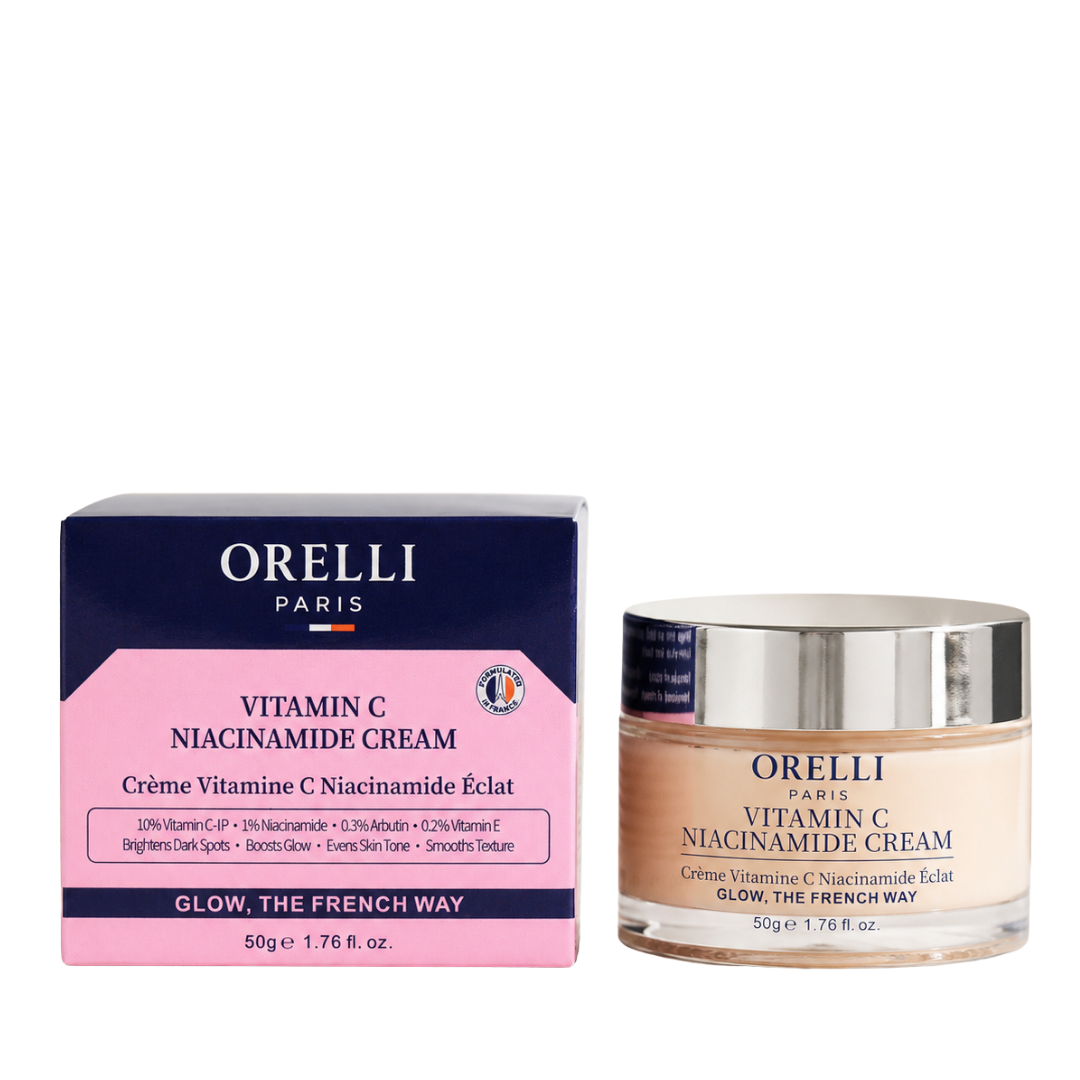
For the morning slot, a moisturiser that combines hydration with tone-supporting ingredients can keep things simple. Our Vitamin C Niacinamide Cream pairs 5% vitamin C with niacinamide in one step, which some people prefer to layering a separate serum. Patch test first, and if you use a retinoid, remember that retinoids are generally not recommended during pregnancy, so check with your doctor. Our guide on layering skincare in the right order explains sequencing in more detail.
“What about marks on my back, chest or shoulders?”
Body marks follow the same logic as facial ones, with a few extra hurdles. Sweat, tight clothing, heavy backpack straps and long, humid days can keep body acne going, which keeps producing new marks. Showering soon after workouts, wearing breathable fabrics and changing out of damp clothes quickly all help reduce friction and trapped sweat.
Sunscreen matters on exposed shoulders and upper back too, especially with sleeveless clothing or swimming. Body skin also tends to fade more slowly than facial skin, so expect a longer timeline and resist the urge to scrub harder. If body breakouts are persistent or widespread, that is a good reason to see a dermatologist.
“I have a deeper skin tone. Why do my dark spots after acne last so long?”
Skin with more melanin tends to respond to inflammation by producing extra pigment, a pattern called post-inflammatory hyperpigmentation. Most Indian skin tones fall into this group, which is why a small pimple can leave a mark that outlasts it by months.
According to the AAD, a spot a few shades darker than your natural skin tone will usually fade within about 6 to 12 months, while deeper discolouration can take longer. That timeline explains why patience and consistency matter more than intensity. Their advice for acne in darker skin tones centres on treating breakouts early, avoiding picking and choosing gentle care, because anything that inflames the skin can create the very problem you are trying to fix.
“Should I get a peel or laser?”
Chemical peels, microdermabrasion and lasers are professional procedures, not skincare products, and they are worth discussing with a dermatologist rather than booking on impulse. They can be helpful in the right hands, but the AAD specifically advises people with darker skin to see a dermatologist before any of these, because when they are done incorrectly they can cause dark marks, sometimes lasting ones.
Useful questions to ask include whether the practitioner regularly treats skin of your tone, what preparation and aftercare are needed, and whether your acne is controlled enough to start. A dermatologist may also suggest prescription creams first and keep procedures as a later option.
Home remedies and shortcuts to avoid
When marks linger, it is tempting to try something stronger from the kitchen or the chemist’s counter. Some popular shortcuts can make things worse:
| Shortcut | Why it is risky |
|---|---|
| Lemon juice, raw garlic, toothpaste | Can sting and irritate the skin; irritation can lead to more darkening rather than less. |
| Harsh scrubs and daily exfoliation | Friction inflames acne-prone skin and weakens the barrier. |
| Bleach or unlabelled “whitening” creams | The AAD warns never to use liquid bleach on skin and to avoid products that may contain unlisted steroids or mercury. |
| Steroid-containing creams without a prescription | Can trigger acne, redness, thinning skin and dependence when used on the face long term. |
That last point deserves special attention in India. Some over-the-counter “fairness” and combination creams contain a potent topical steroid, sometimes alongside other actives. Dermatologists in India have documented widespread misuse of these creams on the face without a prescription, and the Indian Association of Dermatologists, Venereologists and Leprologists (IADVL) set up a dedicated task force against topical steroid abuse. Reported side effects include steroid-induced acne, redness, visible blood vessels, thinning skin and a rebound flare when the cream is stopped, as described in the Indian Journal of Dermatology. If a cream promises quick results on marks, check the ingredient list for a steroid (names often end in “-sone” or “-olone”, such as betamethasone or clobetasol) and ask a dermatologist before using it.
Frequently Asked Questions
Are dark spots after acne the same as acne scars?
Not usually. Flat brown or purplish marks are a colour change in the skin, while scars change the texture, leaving dips or raised areas. Flat marks tend to fade with time and sun protection; textured scars generally need a dermatologist’s input.
Will my marks fade if I do nothing?
Many lighter marks fade on their own over months, provided new breakouts and sun exposure do not keep refreshing them. Daily sunscreen and consistent, gentle care can help support that process.
Can I wear makeup over dark spots after acne?
Yes. A non-comedogenic concealer or tinted sunscreen can soften their look. Remove makeup thoroughly but gently at night so it does not add to breakouts.
When should I see a dermatologist?
See one if breakouts keep coming, if marks have not changed after several months of consistent sun protection, if you have deep or painful acne, or if a spot changes shape, colour or size in an unusual way.
The Short Version
Most stubborn dark spots after acne come down to three things: new breakouts, daily sun and irritation. Get the acne under control, with a dermatologist’s help if needed, wear sunscreen every day, keep your routine gentle and skip risky shortcuts, especially unprescribed steroid creams. Give it months, not weeks. To browse options for your concern, visit our acne marks and breakouts collection.
This article is general cosmetic information and is not medical advice. For persistent acne, pigmentation or skin concerns, please consult a qualified dermatologist.