

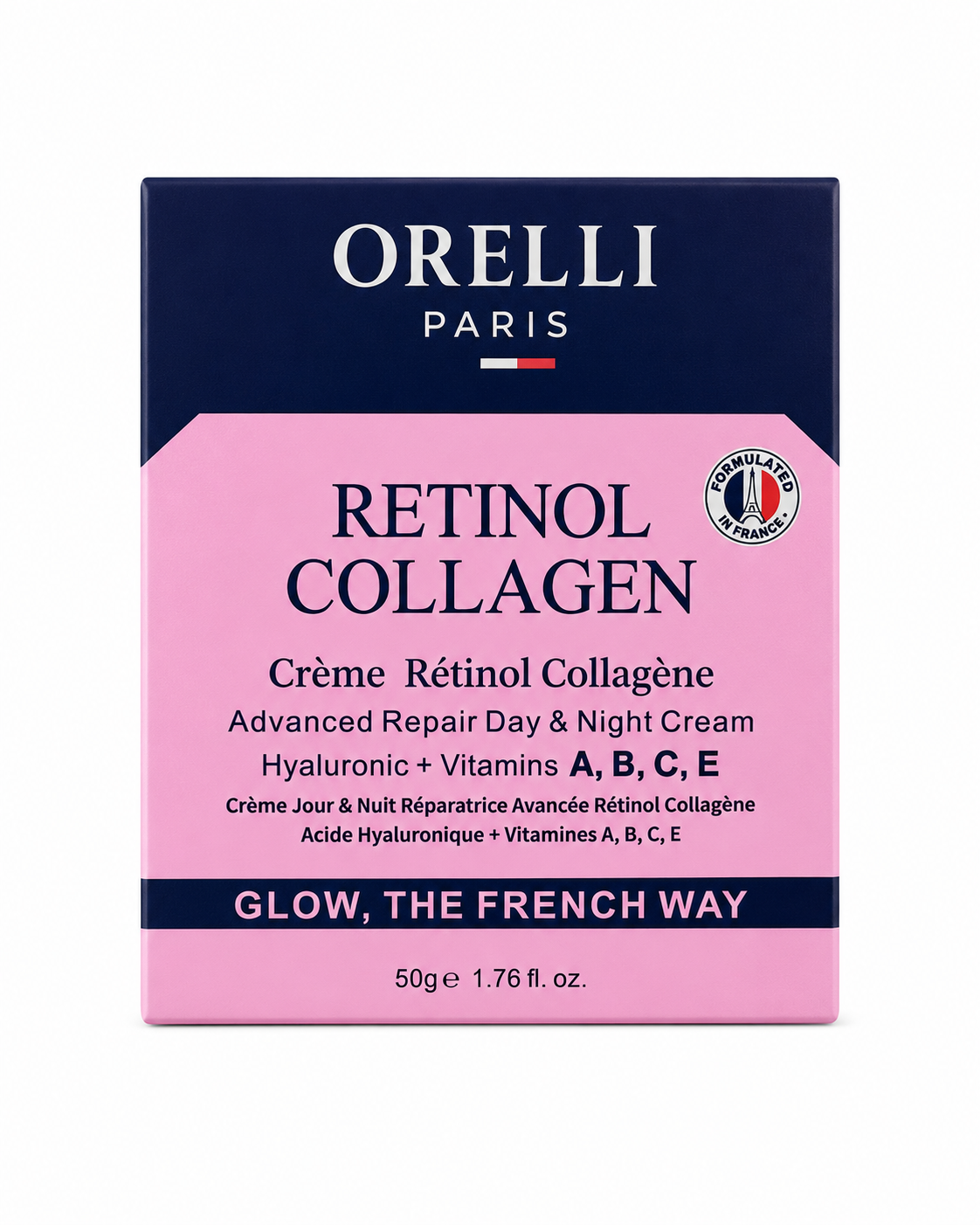
If retinol is so often called the gold standard for ageing skin, why does every skincare shelf also promise results from peptides, vitamin C, bakuchiol and niacinamide? Are these simply gentler substitutes, or do they do something retinol does not? Comparing retinol with other anti-ageing ingredients is less about crowning a winner and more about understanding which job each one does, so you can choose what suits your skin, climate and patience.
This guide compares retinol with the most common alternatives, explains where the evidence is strong and where it is still thin, and shows how they can work together rather than compete.
What Makes Retinol Different
Retinol belongs to the retinoid family, a group of vitamin A derivatives. In the skin, retinol is converted step by step into retinoic acid, the form that acts on skin cells. Prescription retinoids such as tretinoin skip some of those steps, which is why they are stronger and more likely to irritate. The American Academy of Dermatology explains that retinol is a milder, over-the-counter retinoid, while prescription options are more potent.
Retinoids stand out because they have been studied for decades for the look of sun-related ageing. With consistent use, they are associated with smoother-looking texture, softer-looking fine lines and a more even-looking tone. The trade-off is well known: dryness, peeling and sensitivity during the adjustment period, plus a need for daily sun protection.
So the real question is not whether retinol works, but whether you need it, can tolerate it, and what else might fill the gaps.
The Alternatives, One by One
Bakuchiol: the plant-derived comparison
Bakuchiol comes from the seeds of the babchi plant (Psoralea corylifolia), which will be familiar to anyone who knows Ayurvedic traditions. It is not a retinoid chemically, but it is often marketed as a gentle retinol alternative. A small, 12-week randomised, double-blind study published in 2019 compared bakuchiol with retinol and found similar improvements in wrinkles and pigmentation, with the retinol group reporting more scaling and stinging.
That is encouraging, but it was a small trial, and the body of evidence is much smaller than for retinoids. Bakuchiol can also cause reactions in some people, so patch testing still matters. Safety data in pregnancy is limited, so it is worth asking your doctor rather than assuming it is automatically suitable.
Peptides: messengers, not exfoliators
Peptides are short chains of amino acids. In skincare, certain peptides are included to help support the look of firmness and smoothness. They are generally well tolerated and do not cause the flaking associated with retinol. The evidence varies widely from one peptide to another, and results tend to be subtler. They are a sensible choice for sensitive skin or as a companion to retinol on off-nights.
Vitamin C: the daytime defender
Vitamin C is an antioxidant. Its main anti-ageing role is helping to protect skin from the free-radical stress caused by UV and pollution, while supporting a brighter, more even-looking tone. It works well in the morning under sunscreen, which makes it a natural partner to night-time retinol rather than a replacement. Our vitamin C guide covers forms and concentrations in detail.
Niacinamide: the multitasker
Niacinamide (vitamin B3) helps support the skin barrier, the look of pores and the appearance of uneven tone. It is one of the better-tolerated actives and pairs comfortably with retinol, often helping the routine feel less dry. On its own, it is not usually thought of as a strong wrinkle-focused ingredient.
Hyaluronic acid and hydrators
Hyaluronic acid draws water into the upper layers of skin, which can temporarily plump the look of fine, dehydration-related lines. It does not act on skin renewal the way retinol does, but well-hydrated skin looks smoother and tolerates retinol better.
Newer ingredients such as PDRN
Ingredients like PDRN have become popular in Korean skincare for skin that looks tired or stressed. Research in cosmetic formulas is still developing. If you are curious, our guide on what PDRN is in skincare explains what is known so far.
Retinol vs Other Anti-Ageing Ingredients at a Glance
| Ingredient | Main role | Tolerance | Best time |
|---|---|---|---|
| Retinol | Skin renewal; look of lines, texture and tone | Can dry or irritate at first | Night |
| Bakuchiol | Gentler plant-derived option for lines and tone | Usually well tolerated | Night or day |
| Peptides | Look of firmness and smoothness | Very well tolerated | Morning or night |
| Vitamin C | Antioxidant support; brightness | Can sting at higher strengths | Morning |
| Niacinamide | Barrier support; pores and tone | Very well tolerated | Morning or night |
| Hyaluronic acid | Hydration; temporary plumping | Very well tolerated | Morning or night |
The Ingredient That Outranks Them All
No comparison of anti-ageing ingredients is complete without sunscreen. Sun exposure drives much of the visible ageing people want to address, and in India’s high-UV climate, daily broad-spectrum sunscreen is the single most important preventive step. Any of the ingredients above will struggle to show results on skin that is unprotected every day. We explain the relationship in more detail in retinol and sunscreen: why both matter.
How to Choose Between Retinol and the Alternatives
If your skin tolerates actives, you are not pregnant or breastfeeding, and your main concerns are fine lines, texture and uneven tone, retinol is usually worth trying first because its track record is the longest. Start slowly, as our retinol for beginners guide describes.
If your skin is very sensitive, you have rosacea or eczema, or retinol has repeatedly left you red and flaky, a gentler route built on niacinamide, peptides, bakuchiol and good hydration may be more realistic. Speak to a dermatologist if you are unsure, especially for rosacea, which the AAD lists among conditions where retinoids need extra caution.
If you are pregnant or breastfeeding, retinoids are generally avoided. Ask your doctor which ingredients are appropriate for you during this time.
For many people the best answer is a combination: vitamin C and sunscreen in the morning, retinol two to four nights a week, and niacinamide or peptides with a good moisturizer on the other nights. Multi-ingredient formulas can simplify this; our look at the 24K Gold Radiance Elixir, which combines peptides, niacinamide and bakuchiol, is one example of how brands blend these ingredients.
Frequently Asked Questions
Is bakuchiol as effective as retinol?
One small randomised study found comparable improvements over 12 weeks, with fewer side effects for bakuchiol. However, the evidence base is far smaller than for retinoids, so it is fair to call bakuchiol promising rather than equivalent.
Can I use retinol and peptides together?
Yes. Peptides are generally gentle and pair well with retinol. You can use a peptide serum on off-nights or layer a peptide moisturizer after retinol.
Should I use vitamin C or retinol for anti-ageing?
They do different jobs. Vitamin C is typically used in the morning for antioxidant support and brightness, while retinol is used at night for skin renewal. Many routines include both at different times of day.
What is the gentlest anti-ageing routine for sensitive skin?
A gentle cleanser, a niacinamide or peptide product, a barrier-supporting moisturizer and daily sunscreen is a reasonable starting point. Add any stronger active slowly and one at a time.
Final Word
Retinol remains the most studied of the popular anti-ageing ingredients, but it is not the only useful one, and it is not right for everyone at every stage of life. Think of vitamin C, niacinamide, peptides, bakuchiol and hydrators as teammates with different positions, and sunscreen as the captain. Choose the combination your skin can use consistently, because steady, comfortable use is what shows over time.
This article is general cosmetic information and is not medical advice. If you have a skin condition, are pregnant or breastfeeding, or are unsure which ingredients suit you, please consult a dermatologist or doctor.