

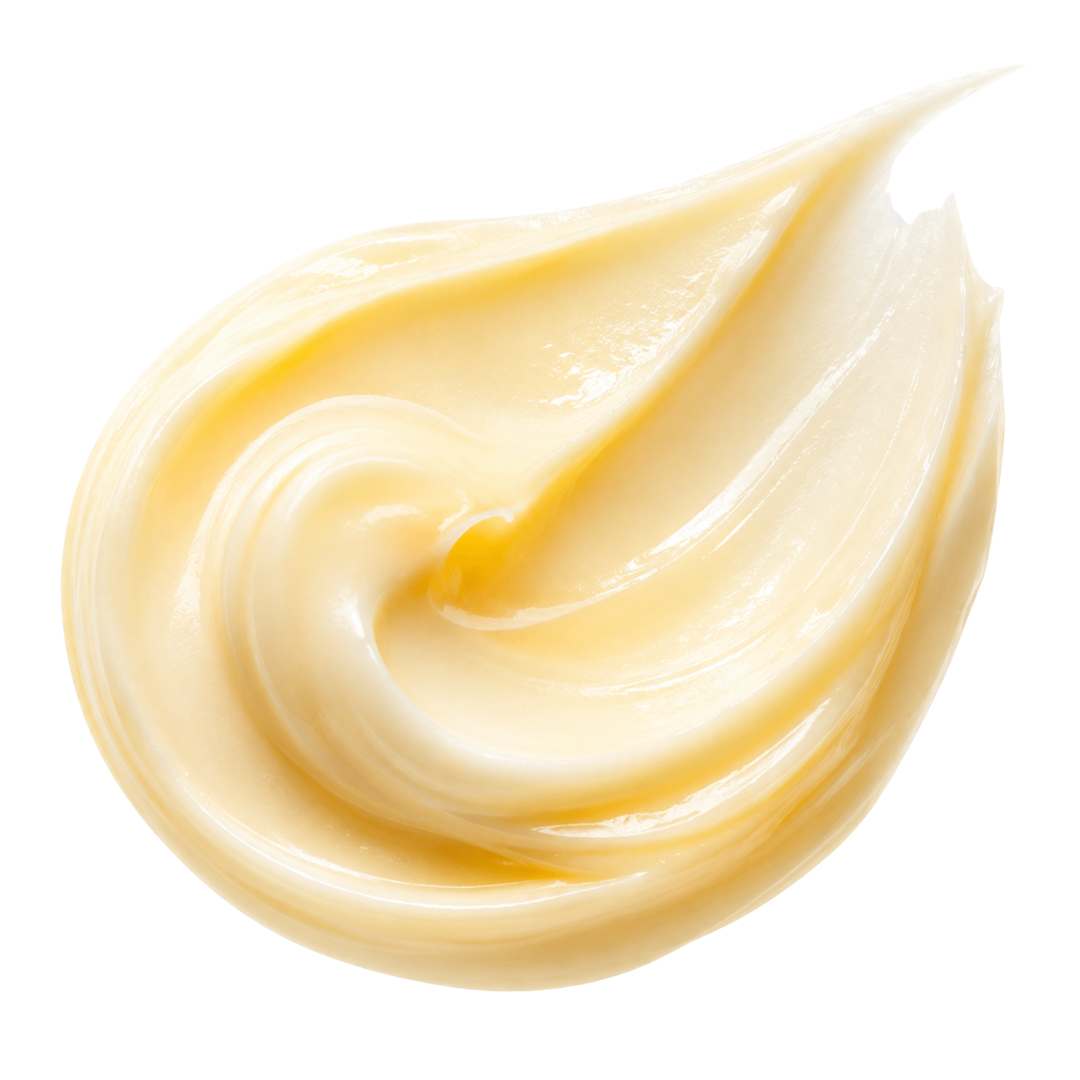
Why is PDRN popular right now? In short, it arrived in skincare with an unusual backstory: decades of use in medical and regenerative settings, a starring role in Korean aesthetic clinics, and then a move into everyday creams at the exact moment people started caring more about skin comfort and recovery than about harsh, fast results. The PDRN trend is part science, part storytelling and part timing, and it helps to know which is which.
This article looks at how the ingredient travelled from hospitals to bathroom shelves, what is genuinely interesting about it, where the hype runs ahead of the evidence, and how to approach it without abandoning the basics that actually keep skin healthy. If you are completely new to the ingredient, start with our explainer on what PDRN is in skincare, then come back here for the bigger picture.
From Medical Research to Beauty Shelves: Where the PDRN Trend Began
PDRN stands for polydeoxyribonucleotide, a mixture of DNA fragments. Its roots are medical rather than cosmetic. The Italian pharmaceutical group Mastelli is widely credited with developing and commercialising early PDRN preparations, and injectable forms have been used in Italy for tissue repair purposes. Early material came from human placenta; manufacturers later shifted to purified DNA from salmon or trout sperm (milt), which is where most PDRN comes from today.
Much of the published research sits in this medical world: wound healing, regenerative medicine and tissue repair, largely using injected PDRN rather than creams. This review of PDRN in impaired skin wound healing shows that research context. That scientific pedigree is a big part of why the ingredient feels credible to shoppers, even though a medical injection and a jar of moisturiser are very different things.
The Korean clinic chapter: “salmon injections” and skin boosters
The ingredient’s leap into beauty happened largely in South Korea. Aesthetic clinics there began using PDRN and its longer-chain relative, polynucleotides (PN), as injectable “skin boosters”, often marketed with memorable nicknames like “salmon DNA injections” or “salmon facials”. A legal decision in Korea also treated PDRN as a generic ingredient name, which opened the door for many more companies to work with it.
It is worth being clear: these are medical procedures performed by qualified professionals, with their own risks, regulations and aftercare. They are not the same as applying a PDRN cream at home, and results seen from injections should not be assumed for topical products. For the technical distinction between the two DNA-derived ingredients, see our guide to PDRN vs polynucleotides.
From clinic to cream: K-beauty picks it up
Once the clinic treatments became talking points, K-beauty brands did what they do well: they translated a professional concept into accessible, pleasant-to-use formats. Serums, ampoules, sheet masks and jelly creams featuring PDRN appeared alongside familiar hydrators such as hyaluronic acid, panthenol and peptides. Global interest in Korean skincare carried the ingredient well beyond Korea, including to India.
Why Is PDRN Popular? Five Forces Behind the Trend
No single factor explains the PDRN trend. It is a combination of cultural and scientific forces that happened to line up:
| Force | What it means for the trend |
|---|---|
| Medical credibility | A history in wound-care and regenerative research makes it feel more “serious” than a typical botanical extract. |
| Clinic-to-consumer appeal | People who hear about skin-booster injections look for an at-home, non-invasive way to join in. |
| A memorable story | “Salmon DNA” is unusual, easy to remember and easy to talk about online. |
| The recovery and barrier era | Shoppers now value comfort, hydration and resilience over aggressive peeling. |
| Social media visibility | Before-and-after content and clinic videos spread the name quickly, often without context. |
Social platforms deserve a careful word. They have clearly raised awareness of PDRN, but online content often blurs injectable treatments and topical products, and a single video cannot tell you how a cream will behave on your skin. Treat viral enthusiasm as a reason to read further, not as evidence.
The “Skin Recovery” Era and Why PDRN Fits It
A few years ago, much skincare conversation revolved around stronger acids, higher percentages and multi-step routines. Many people ended up with tight, reactive, over-exfoliated skin. The pendulum has since swung towards barrier care: fewer products, gentler formulas and ingredients that feel soothing and hydrating.
PDRN slots neatly into that mood. It is marketed around words like “recovery”, “comfort” and “bounce”, which match what barrier-focused shoppers want. It also aligns with the dewy, healthy-looking finish behind the glass skin trend and whether it is actually healthy. In Indian conditions, where heat, humidity, air-conditioning, pollution and hard water can all leave skin feeling stressed, a lightweight, hydrating texture has obvious appeal.
What Is Genuinely Interesting vs What Is Hype
There is real science behind PDRN, but it is important to know where that science actually sits.
Genuinely interesting
PDRN has a long research history in medical and regenerative settings, and researchers continue to study PN and PDRN in aesthetic medicine. A systematic review of randomised clinical trials on polynucleotides and PDRN shows that this is an active area of clinical study. In cosmetic formulas, PDRN is often paired with well-understood hydrators, so a well-made PDRN cream can help support hydration, skin comfort and the look of smoother, plumper skin.
Where hype runs ahead
Most of the strongest data involves injections or medical use, and there is relatively little independent research on topical cosmetic creams specifically. Claims that a cream “repairs your DNA”, “regenerates skin” or works “like an injection in a jar” go well beyond what the evidence supports. A cream’s overall formula, texture and how consistently you use it will usually matter more than one headline ingredient.
There is also a practical note: most PDRN is fish-derived. If you follow a vegan lifestyle or have a fish allergy, check the ingredient list and the brand’s sourcing information, and patch test before regular use.
How to Approach the PDRN Trend Thoughtfully
Trying a trending ingredient is fine. Rebuilding your whole routine around it is rarely necessary. A sensible approach looks like this:
- Keep the basics first. A gentle cleanser, a moisturiser suited to your skin and daily sunscreen do most of the work. Our simple skincare routine for beginners is a good foundation.
- Add one new product at a time. That way you can tell how your skin responds.
- Judge the whole formula. Look at texture, supporting ingredients and whether it suits your climate and skin type.
- Keep expectations cosmetic. Think comfort, hydration and a healthier look, not medical-level change.
- See a dermatologist for medical concerns. Acne, persistent pigmentation, eczema or scarring need professional advice, and clinic treatments should only be done by qualified practitioners.
If comfort and resilience are your main goals, browsing products for skin barrier support is a more useful starting point than chasing any single ingredient.
What to Watch as PDRN Research Develops
The next few years should bring more clarity. Useful signals to look out for include independent studies on topical PDRN products (not only injections), clearer information from brands about source, concentration and molecular size, research into how well DNA fragments of different sizes interact with the skin surface, and progress on alternative sources for people who prefer to avoid fish-derived ingredients. Transparent formulation details are usually a better sign than dramatic claims.
Frequently Asked Questions
Why is PDRN so popular in K-beauty?
PDRN became popular in K-beauty because it was already well known from Korean aesthetic clinics as a skin-booster injection. Brands then brought the name into creams, serums and masks, which made the idea accessible at home.
Is a PDRN cream the same as a salmon DNA injection?
No. Injections are medical procedures delivered into the skin by qualified professionals, while creams sit on the surface. Most research involves injected PDRN, so injection results should not be expected from a topical product.
Is the PDRN trend just hype?
Not entirely. PDRN has a genuine research history in medical settings, but evidence for topical cosmetic use is still limited, so some marketing claims go too far. It is best viewed as a supportive ingredient within a sound routine.
Is PDRN suitable for vegans or people with a fish allergy?
Most PDRN is derived from salmon or trout, so it is generally not vegan. If you have a fish allergy, check labels carefully, ask the brand about sourcing and speak to a doctor before use.
The Bigger Picture Behind the Buzz
So, why is PDRN popular? It combines a medical backstory, a clinic-born reputation, a memorable “salmon DNA” story and perfect timing with the shift towards gentle, recovery-focused skincare. The PDRN trend has genuinely interesting roots, but topical research is still catching up. Enjoy it as a comforting, hydrating addition if it suits you, keep your cleanser, moisturiser and sunscreen at the centre of your routine, and let evidence rather than excitement guide your expectations.
This article is general cosmetic information and is not medical advice. For skin conditions or clinical treatments, please consult a qualified dermatologist.