
Ingredient lists can feel like a chemistry exam, especially when your forehead is shiny by lunchtime and every label seems to promise “oil control”. This glossary looks at the skincare ingredients for oily skin that you will see most often: what each one is, what it is commonly used for, how it tends to show up in a routine, and what to watch out for.
Some of these ingredients are well studied; others rely on small studies or lab data. We say which is which, because the aim is to pick one or two that suit you, not to use them all.
A Glossary of Skincare Ingredients for Oily Skin
Niacinamide
What it is: a form of vitamin B3 that is water-soluble and generally well tolerated. Commonly used for: helping the look of shine, visible pores and uneven tone, and supporting the skin barrier. A small, often-cited study found that a 2% niacinamide moisturiser was associated with lower facial sebum levels over a few weeks, though the study was modest in size. How it’s used: in serums and moisturisers, morning or night, usually at 2–5%. Watch-outs: higher concentrations (10% and above) can sting or cause redness in some people; more is not automatically better.
Salicylic acid (BHA)
What it is: a beta hydroxy acid that is oil-soluble, so it can work its way into the oily lining of pores. Commonly used for: exfoliating inside pores and helping with blackheads and whiteheads; the American Academy of Dermatology notes it works best on these clogged-pore types of breakouts. How it’s used: cleansers, toners and leave-on serums, typically 0.5–2%. A wash-off cleanser is the gentlest starting point. Watch-outs: dryness and flaking if overused; avoid stacking it with other strong acids on the same night, and check with a doctor if you are pregnant or have an aspirin allergy.
Zinc (e.g., zinc PCA)
What it is: zinc salts such as zinc PCA or zinc gluconate, often paired with niacinamide. Commonly used for: “balancing” formulas aimed at shine and a calmer-looking complexion. How it’s used: in serums, toners and light moisturisers. Watch-outs: the evidence for topical zinc on oiliness alone is limited and mostly comes from small or combination-product studies, so treat it as a supporting ingredient rather than the main event.
Clay (kaolin and bentonite)
What it is: natural mineral clays that absorb oil on contact. Commonly used for: an instant, temporary mattifying effect and a “clean” feel. How it’s used: wash-off masks once or twice a week, or in small amounts in cleansers. Watch-outs: clay absorbs surface oil but does not change how much oil your skin makes. Leaving a mask on until it cracks can leave skin tight. Kaolin is usually the milder of the two.
Glycolic and lactic acid (AHAs)
What they are: alpha hydroxy acids that are water-soluble and exfoliate the surface of the skin. Commonly used for: smoothing rough texture and helping skin look brighter; they work on the surface rather than inside pores. Glycolic acid has smaller molecules and can feel stronger; lactic acid is usually considered gentler. How it’s used: toners, serums or rinse-off peels, a few evenings a week. Watch-outs: AHAs can increase sun sensitivity, so daily sunscreen matters, which is especially relevant under strong Indian sun. Don’t layer them with a BHA or retinoid on the same night when starting out.
Retinoids (retinol and adapalene)
What they are: vitamin A derivatives. Retinol is a common cosmetic form; adapalene is a retinoid that is sold as an acne treatment and, depending on the country and strength, may need a prescription. Commonly used for: helping skin renew itself, keeping pores clearer and improving the look of texture. How it’s used: at night, a pea-sized amount, starting two or three nights a week. Watch-outs: dryness, peeling and irritation in the first weeks are common. If you are pregnant, trying to conceive or breastfeeding, avoid retinoids unless a doctor has advised otherwise. For persistent or painful acne, a dermatologist can guide you to the right retinoid rather than trial and error.
Azelaic acid
What it is: an acid originally found in grains, now made in the lab. Commonly used for: breakouts and the dark marks that can follow them; the AAD lists it among ingredients dermatologists use for acne. It is often considered an option for skin that finds stronger acids too much. How it’s used: cosmetic products use lower amounts, while higher strengths are usually medical products. Watch-outs: a tingling or itchy feeling at first is common. Stop if it becomes burning or persistent redness.
Hyaluronic acid and glycerin
What they are: humectants, which draw water into the upper layers of the skin. Commonly used for: hydration without heaviness. Oily skin can still be dehydrated, particularly after harsh cleansers or long hours in AC, and a light humectant layer helps skin feel comfortable without adding grease. How it’s used: in serums, gels and gel-creams, applied to slightly damp skin. Watch-outs: very few, although in dry air a humectant works better with a light moisturiser over it. We explain why oily skin still needs this step in why oily skin still needs moisturiser.
Green tea extract
What it is: an extract rich in polyphenols such as EGCG, which have antioxidant properties. Commonly used for: antioxidant support and a soothing feel, and it is often marketed for oily skin. How it’s used: in toners, serums, gels and masks. Watch-outs: the evidence for oil control is limited. There are small studies and lab research, but not the depth of data behind niacinamide or salicylic acid.
Oily Skin Ingredients at a Glance
| Ingredient | Commonly used for | Typical format | Watch-outs |
|---|---|---|---|
| Niacinamide | Look of shine, pores, uneven tone | Serum, moisturiser | High % may irritate |
| Salicylic acid (BHA) | Blackheads, clogged pores | Cleanser, toner, serum | Dryness; pregnancy and aspirin allergy: ask a doctor |
| Zinc (zinc PCA) | “Balancing” formulas | Serum, toner | Limited evidence alone |
| Clay (kaolin/bentonite) | Temporary mattifying | Wash-off mask | Tightness if overused |
| Glycolic/lactic acid (AHAs) | Texture, dullness | Toner, serum, peel | Sun sensitivity |
| Retinoids (retinol/adapalene) | Clearer-looking pores, texture | Night serum, cream, gel | Irritation; avoid in pregnancy |
| Azelaic acid | Breakouts, post-acne marks | Cream, gel | Initial tingling |
| Hyaluronic acid & glycerin | Lightweight hydration | Serum, gel-cream | Seal with moisturiser in dry air |
| Green tea extract | Antioxidant, soothing feel | Toner, serum, mask | Oil-control evidence limited |
How Not to Combine Too Many Actives
The most common mistake with oily skin is enthusiasm: a BHA toner, an AHA serum, a retinol and a clay mask all in the same week, all started at once. The result is often a stripped barrier and skin that feels tight and oily at once.
A calmer approach is to choose one exfoliating or “working” active (a BHA, an AHA, a retinoid or azelaic acid) and pair it with supporting ingredients such as niacinamide and a humectant. The AAD suggests giving an acne product six to eight weeks before judging it. Introduce one new product at a time so you can tell what is helping and what is irritating. If you do use two strong actives, put them on different nights rather than layering them. Our guide on how to layer skincare products covers the order of application, and this simple routine for oily and acne-prone skin shows how few steps you really need.
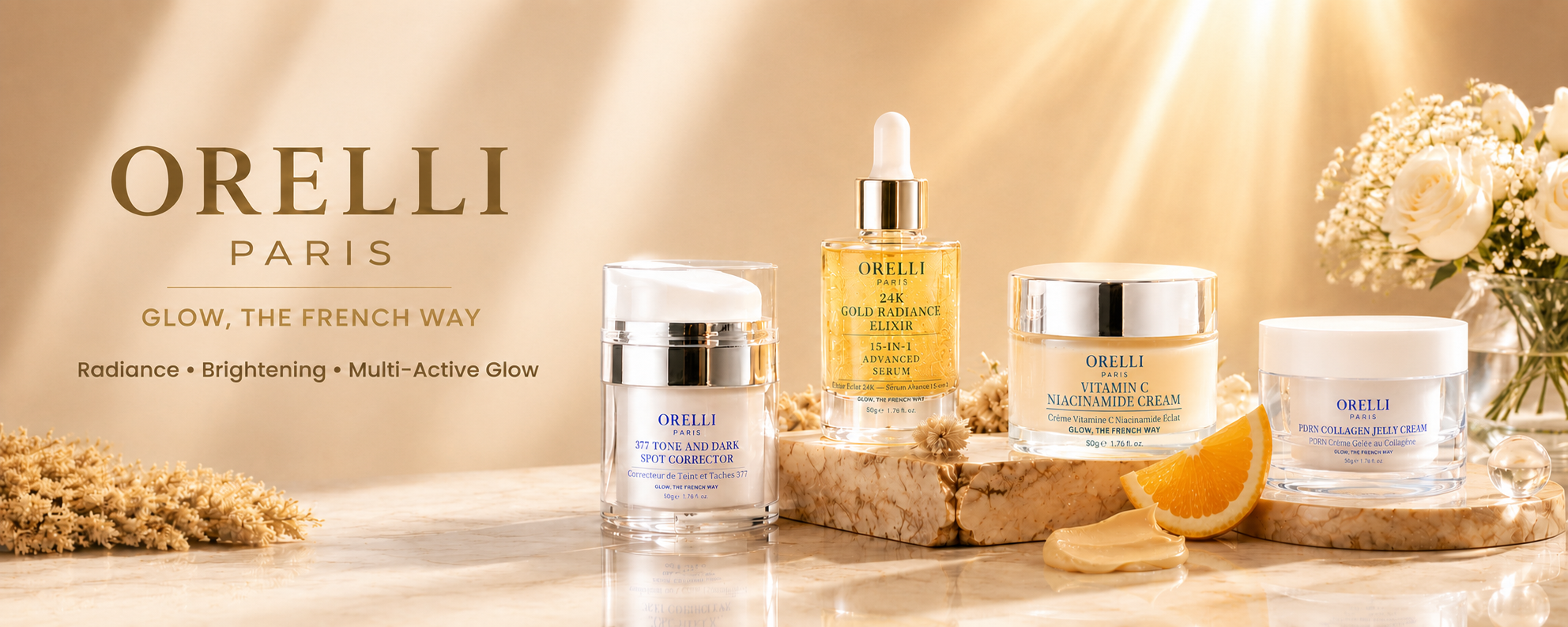
Many products already combine ingredients. For example, a moisturiser such as the Vitamin C Niacinamide Cream contains niacinamide, so if you use it, you probably don’t need a separate high-strength niacinamide serum as well.
Frequently Asked Questions
Which ingredient is best for oily skin?
There isn’t a single best one. Niacinamide and salicylic acid are common starting points because they are widely studied and usually well tolerated, but the right choice depends on whether your main concern is shine, blackheads, texture or breakouts.
Can I use niacinamide and salicylic acid together?
Many people do, for example a salicylic acid cleanser followed by a niacinamide serum. If your skin becomes red or dry, space them out to different times of day.
Does humid weather mean I can skip hydrating ingredients?
Not necessarily. Even in the monsoon, cleansing, actives and air-conditioning can leave oily skin dehydrated. A light gel with hyaluronic acid or glycerin usually feels comfortable in humidity. For more, see how to manage oily skin without over-drying it.
Is retinol safe during pregnancy?
Retinoids, including retinol and adapalene, are generally avoided during pregnancy and while trying to conceive. Speak to your doctor or dermatologist about alternatives.
Choosing Fewer, Better Ingredients
The most useful skincare ingredients for oily skin are the ones you can use consistently without irritation. Start with a gentle base, add one targeted active, support it with hydration and daily sunscreen, and give it time. If breakouts are painful, persistent or leaving marks, a dermatologist can offer treatments that go beyond cosmetic skincare.
This article is general cosmetic information and is not medical advice. Please consult a dermatologist for concerns about your skin.