
The spot has finally flattened, the redness is settling, and now you are left wondering what to do with your face. Good skin care after a breakout is less about adding new products and more about giving healing skin a calm, predictable few weeks. What you do in this recovery window can influence how comfortable your skin feels, how long marks linger, and how soon the next flare arrives.
This guide follows the recovery phase as a simple timeline: the first few days, the weeks that follow, when to bring your actives back, and the everyday habits that help keep the next breakout at bay.
First, a Kind Word About Breakouts
Acne is one of the most common skin conditions there is, and a breakout is not a sign that you are dirty or careless. Hormones, genetics, stress, sweat and the products you use all play a part. The NHS also notes that acne can affect mental health, so if a flare has knocked your confidence, that is a normal reaction, not vanity. Treat your skin the way you would treat a friend who is having a rough week: gently, and without scrubbing it into submission.
Days 1 to 3: Protect the Healing Spot
Hands off, even when it is tempting
The single most useful thing you can do is leave the spot alone. The American Academy of Dermatology advises against picking, popping or squeezing, because it can make acne take longer to clear and raises the risk of scarring. A scab or a dry, flaky patch is part of the healing process; peeling it early usually leaves a redder or darker mark behind.
Cleanse gently, twice a day
Use a mild, non-abrasive cleanser morning and night, and after heavy sweating. Apply it with your fingertips rather than a brush or rough cloth, rinse with lukewarm water and pat dry with a clean towel. If you live in a hard-water city, a gentle, non-stripping cleanser matters even more, since tight, squeaky skin is irritated skin.
Spot care and hydrocolloid patches
If a dermatologist has given you a spot treatment, keep using it as directed and apply it only where it is needed. Hydrocolloid patches are a popular option for a spot that has already come to a head or has been opened. They create a moist, covered environment, soak up some fluid and, perhaps most usefully, physically stop you from touching the area. Research on them for acne is still small and early, so think of them as a helpful barrier rather than a treatment. They do little for deep, painful bumps under the skin.
Weeks 1 to 3: Comfort the Skin Barrier
Once the active spots are calming down, your skin often feels a little tight, dry or reactive, especially if you leaned heavily on drying treatments during the flare. This is the time to rebuild comfort. A pared-back routine of cleanser, moisturiser and sunscreen is usually enough.
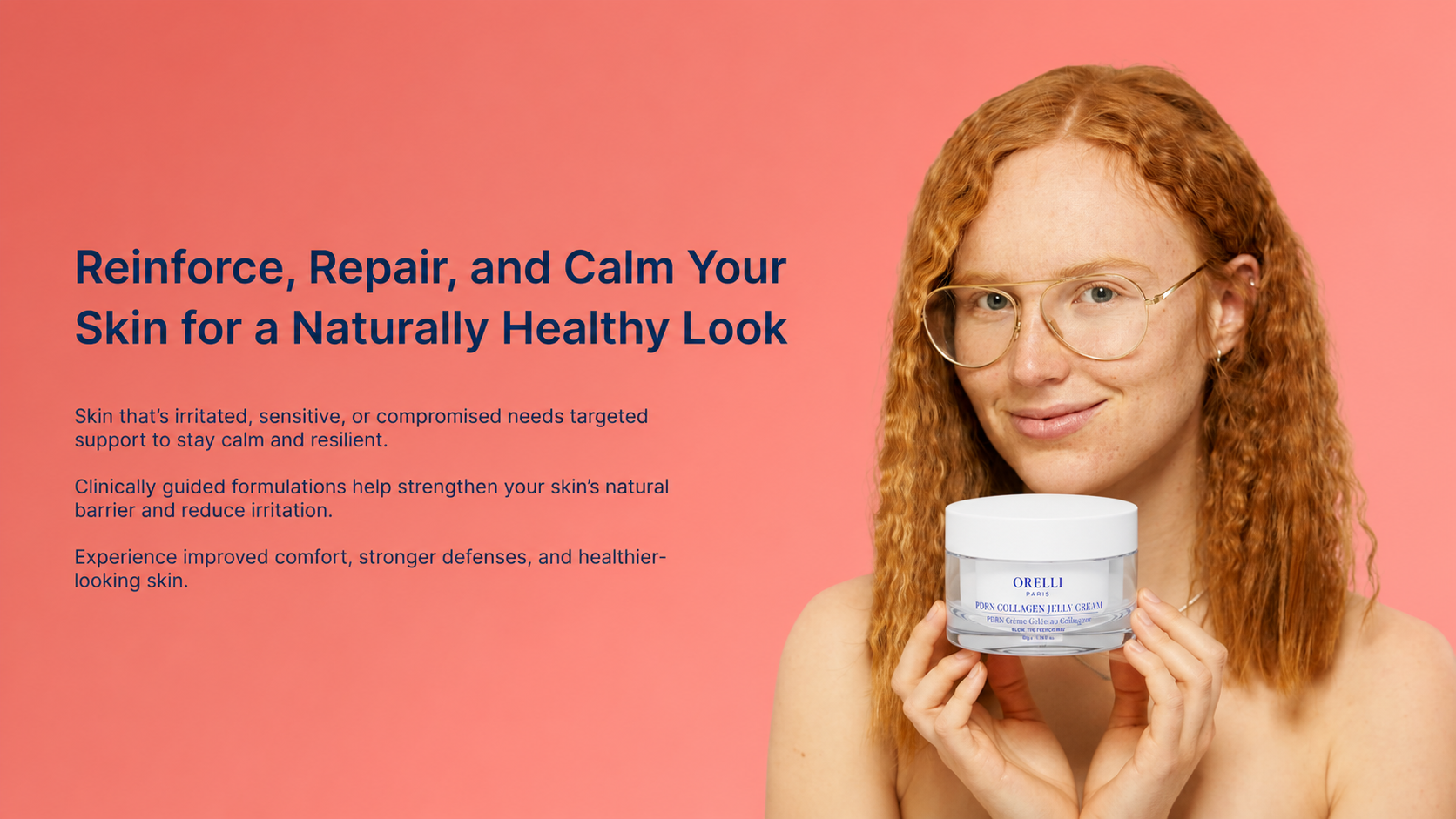
Choose a moisturiser labelled non-comedogenic with a texture that suits your climate. In humid Indian summers or during the monsoon, a light gel or jelly-cream tends to feel more comfortable than a rich balm, while air-conditioned offices and winter in the north may call for a little more cushion. As one example, the PDRN Collagen Jelly Cream is a lightweight jelly-cream with hyaluronic acid, panthenol, allantoin and squalane that can help support hydration and a comfortable feel during recovery. It is a moisturiser, not an acne treatment, so it sits alongside, not in place of, any treatment your dermatologist recommends. If you are unsure why oily skin still benefits from this step, our guide on why oily skin still needs moisturiser explains it.
Sunscreen every morning
Healing spots often leave flat pink, red or brown marks, and UV exposure can make that discolouration look darker and last longer, particularly on medium to deep skin tones. A broad-spectrum sunscreen of SPF 30 or higher, reapplied when you are outdoors, is one of the simplest ways to help limit that. The AAD recommends non-comedogenic formulas for acne-prone skin. For what to do about marks that have already formed, see our routine for post-acne marks, and if you are not sure whether you are looking at a healing mark or a longer-standing spot, read acne marks vs dark spots.
When to Restart Your Actives
If you paused exfoliating acids, retinol or other strong actives because your skin was raw, bring them back slowly. A reasonable signal is when your skin no longer stings with plain moisturiser, there are no open or crusted spots, and redness is fading rather than flaring. Reintroduce one product at a time, two or three evenings a week at first, and wait about two weeks before adding another so you can tell what your skin is reacting to.
Prescription acne treatments are different: do not stop or restart them on your own schedule. Follow your dermatologist’s plan, since many of these need consistent use to keep breakouts under control. If you use retinol or any retinoid, check with a doctor first if you are pregnant, trying to conceive or breastfeeding, as retinoids are generally avoided during pregnancy.
Here is how the recovery timeline tends to look at a glance:
| Phase | Focus | Skip for now |
|---|---|---|
| Days 1–3 | No picking, gentle cleanse, prescribed spot care, patches on surfaced spots | Scrubs, face masks, new products |
| Weeks 1–3 | Moisturiser, daily sunscreen, a steady basic routine | Layering several actives, harsh toners |
| Week 3 onwards | Slowly reintroduce one active at a time | Starting two new actives together |
| Ongoing | Everyday habits that reduce friction, sweat and residue | Sleeping in makeup |
Skin Care After a Breakout: Preventing the Next Flare
Skincare products are only part of the picture. A handful of small habits reduce the oil, sweat, friction and residue that sit against your skin day after day:
- Pillowcases: change them every few days, and more often if you use hair oil or live somewhere humid.
- Your phone: wipe the screen regularly and try earphones for long calls so it is not pressed to your cheek.
- Sweat: rinse or cleanse after workouts, a commute in the heat or a long day under a helmet or mask, and choose loose, breathable clothing for exercise.
- Makeup: remove it fully every night, pick non-comedogenic formulas, and wash brushes and sponges often.
- Hair: keep oily hair and heavy styling products away from your forehead and hairline.
It also helps to resist the urge to overhaul your whole routine the moment a new spot appears. Constant switching makes it hard to know what is working. For a steady everyday plan, our simple routine for oily and acne-prone skin is a good base to return to.
When to See a Dermatologist
Home care suits mild, occasional breakouts. Book an appointment with a dermatologist if you have deep, painful lumps or cysts, if spots are leaving pitted or raised scars, if breakouts keep returning despite a consistent gentle routine, or if acne is affecting how you feel about yourself. Early treatment can help reduce the chance of lasting scarring, and a specialist can recommend options that cosmetic skincare cannot offer.
Frequently Asked Questions
How long does skin take to recover after a breakout?
An individual spot often settles within a week or two, but the flat marks it leaves can take weeks to months to fade. Gentle care and daily sunscreen help support the process; patience is part of the plan.
Should I keep using moisturiser if my skin is oily after a breakout?
Yes. A light, non-comedogenic moisturiser helps keep skin comfortable, especially if acne treatments have left it dry or tight. Choose a gel or jelly texture if heavier creams feel greasy in humid weather.
Can I wear makeup while my skin is healing?
You can, as long as you use non-comedogenic products, apply them with clean tools and remove everything gently before bed. Avoid covering open or crusted spots with heavy layers.
Do pimple patches work on every type of spot?
They are most practical on spots that have come to a head or been opened, where they can absorb fluid and keep fingers away. They are not designed for deep, painful nodules, which are worth showing to a dermatologist.
A Calmer Road Back to Clear-Looking Skin
Skin care after a breakout comes down to a few quiet principles: leave healing spots alone, cleanse gently, keep skin comfortable with a light moisturiser, wear sunscreen daily, and bring actives back one at a time. Pair that with small habits around pillowcases, phones, sweat and makeup, and you give your skin the steady conditions it needs to recover. If breakouts are painful, scarring or keep returning, a dermatologist is your best next step.
This article is general cosmetic information and is not medical advice. For persistent, painful or scarring acne, please consult a qualified dermatologist.