

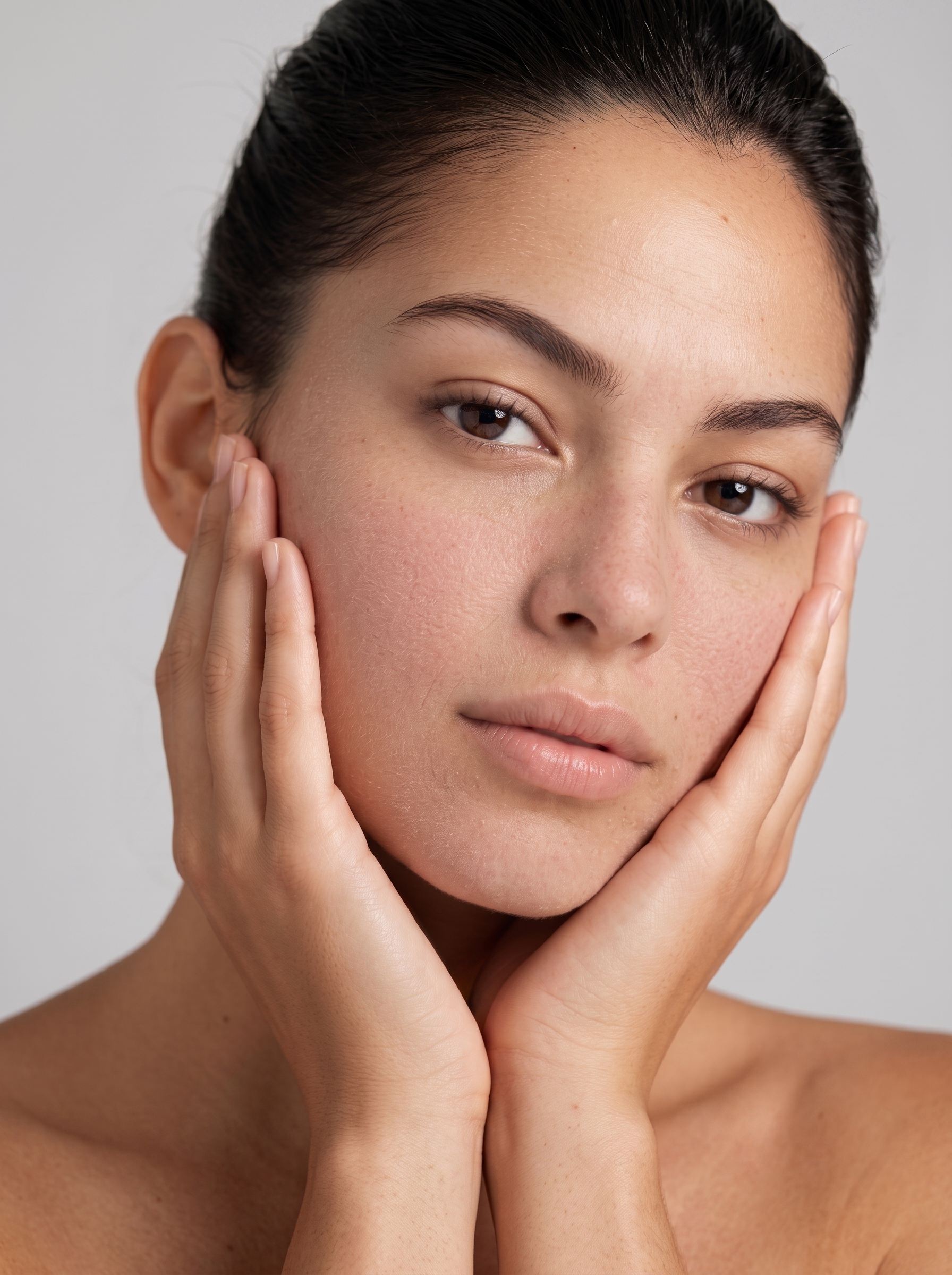
It is the third week of your new retinol habit. The first few nights felt fine, but now the skin around your nose is flaking, your cheeks feel tight after cleansing, and your usual cream seems to sting a little when it goes on. Most people in this spot assume the retinol is the problem. More often, the missing piece is how retinol and moisturizer are working together, or not working together, in the routine.
Retinol has a well-earned reputation for improving the look of fine lines, uneven texture and dullness over time. It also has a reputation for dryness and peeling in the early weeks. The American Academy of Dermatology recommends always using a moisturizer alongside a retinoid to help reduce irritation. This guide looks at the practical side of that advice: which order to apply things in, what kind of moisturizer to reach for, and how to adjust the pairing for Indian weather.
Why Retinol and Moisturizer Belong Together
Retinol encourages the skin to renew its surface cells more quickly. While your skin adapts, that faster turnover can show up as dryness, mild flaking, tightness or a feeling of sensitivity. DermNet describes this cluster of redness, peeling and dry skin as retinoid dermatitis, and notes that creams tend to be less irritating than gels.
A moisturizer does not cancel out what retinol does. What it does is help support the skin barrier, the outer layer that keeps water in and irritants out. When that layer feels comfortable, you are far more likely to keep using retinol consistently, and consistency is what produces visible change. Skipping moisturizer to “let the retinol work harder” usually backfires: the skin gets irritated, you stop for a week, and progress resets.
Moisturizer Before or After Retinol?
There is no single correct order, and dermatologists use different approaches depending on how the skin is coping. Think of it as three settings on a dial.
Setting one: retinol first, moisturizer on top
This is the standard approach for skin that is tolerating retinol well. Cleanse, pat the face completely dry, apply a pea-sized amount of retinol, wait a few minutes, then follow with moisturizer. The moisturizer seals in hydration and softens any dry feel by morning.
Setting two: moisturizer first, retinol on top
Applying a thin layer of moisturizer before retinol, sometimes called buffering, creates a light cushion between the active and your skin. Some of the intensity may be reduced, which is exactly the point when you are starting out or have reactive skin.
Setting three: the retinol sandwich
The sandwich method places retinol between two thin layers of moisturizer: moisturizer, then retinol, then moisturizer again. It is a popular option for dry or sensitive skin, for the delicate area around the nose and mouth, and for nights when your skin feels a little raw. Many people start with the sandwich, then move to setting one as their skin settles.
Whichever setting you use, keep retinol away from the corners of the nose, the lip line and the skin very close to the eyes, where irritation tends to show up first. A small dab of a plain moisturizer or ointment on those spots before retinol can help.
What to Look For in a Moisturizer for Retinol Nights
The moisturizer you pair with retinol should be the calmest product in your routine. On retinol nights, it is doing a support job rather than adding more actives.
Helpful ingredients to look for include ceramides, glycerin, hyaluronic acid, panthenol, squalane, allantoin and niacinamide at modest levels. These are associated with hydration and barrier comfort. Ingredients to be careful with on the same night include exfoliating acids (AHAs, BHAs), strong vitamin C serums, benzoyl peroxide and heavily fragranced formulas, because layering them with retinol can make irritation more likely.
Texture matters just as much as the ingredient list, and this is where Indian climate comes in.
Humid months and monsoon
During sticky, humid weather, a rich cream can feel heavy and may leave oily or acne-prone skin congested. A lightweight gel-cream or jelly-cream usually feels better. As one example, the PDRN Collagen Jelly Cream is a lightweight jelly texture that combines hyaluronic acid, panthenol, squalane, allantoin and niacinamide, the kind of hydrating, barrier-friendly profile that tends to sit comfortably over retinol in warm weather.
Winter, dry cities and air-conditioned rooms
In drier North Indian winters or long days in air conditioning, the skin loses water faster. This is a good time to switch to a richer cream, or to use the sandwich method more often. If your cheeks feel tight within an hour of cleansing, that is a sign your moisturizer needs to do more.
Building the Routine, Night by Night
A comfortable retinol routine is short. A simple evening might look like this:
- Cleanse with a gentle, non-stripping cleanser and pat dry.
- Apply a thin layer of moisturizer if you are buffering or sandwiching.
- Apply a pea-sized amount of retinol across the whole face.
- Finish with moisturizer, using a little extra on dry patches.
On nights off retinol, keep the same cleanser and moisturizer and simply skip the retinol step. These “recovery nights” matter, especially in the first month. If you need help deciding how many nights to use it, our guide on how often to use retinol walks through a gradual schedule, and the simple retinol night routine covers the rest of the evening in more detail.
Mornings matter too. Retinol can make the skin more sensitive to the sun, so a daily broad-spectrum sunscreen is part of the plan, not an optional extra. A light moisturizer under sunscreen helps if your skin still feels dry from the night before.
Signs Your Pairing Needs Adjusting
Mild dryness or a little flaking in the first two to four weeks is common. It usually settles as the skin adapts, especially with good moisturizer support. Signs that you should step back include persistent stinging when you apply plain moisturizer, redness that lasts through the day, raw or cracked patches, or burning.
When that happens, pause retinol for several nights, keep only a gentle cleanser, a soothing moisturizer and sunscreen, and restart at a lower frequency with the sandwich method once the skin feels normal again. Our list of common retinol mistakes covers several habits that tend to cause these flare-ups, such as using too much product or adding exfoliants too soon.
For medium to deeper skin tones, which are common across India, irritation deserves extra attention. The AAD notes that retinoid irritation can trigger hyperpigmentation in darker skin, so a comfortable routine is also a way of protecting your tone.
A Note on Pregnancy and Medical Treatment
Retinol and other retinoids are generally avoided during pregnancy, and many doctors also advise avoiding them while breastfeeding. If you are pregnant, trying to conceive or breastfeeding, speak to your doctor before using any retinoid product.
Cosmetic retinol is different from prescription retinoids such as tretinoin or adapalene. If you have been prescribed one for acne or another skin condition, follow your dermatologist’s instructions on moisturizer and timing, and ask them before adding anything new.
Frequently Asked Questions
Can I mix retinol and moisturizer in my palm?
You can, and some people find it a convenient way to buffer. Mixing tends to dilute the retinol slightly, which may be useful at the start. Once your skin is comfortable, applying them as separate layers is easier to control.
Does moisturizer make retinol less effective?
A moisturizer applied first may soften the intensity a little, but it does not stop retinol from working. Using retinol comfortably and consistently for months tends to matter more than squeezing out maximum strength on any single night.
Can I use a moisturizer that already contains retinol?
Yes, a retinol cream combines both steps. Treat it as your retinol product, introduce it gradually, and you may still want a plain moisturizer on top on drier nights.
Should oily skin still use moisturizer with retinol?
Yes. Oily skin can still become dry and irritated with retinol. A lightweight, non-comedogenic gel or jelly moisturizer usually works well without feeling greasy.
The Takeaway
Retinol and moisturizer work best as a team. Start with the sandwich method if your skin is new to retinol or on the drier side, choose a calm, fragrance-light moisturizer in a texture that suits the season, and let recovery nights do their job. Pair it with daily sunscreen and the routine stays comfortable enough to keep up for the months it takes to see results.
This article is general cosmetic information and is not medical advice. If you have a skin condition, persistent irritation or are pregnant or breastfeeding, please consult a dermatologist or doctor.