
When you shop for brightening skincare, look past the promises on the front of the pack and check three things: a well-studied active ingredient near the top of the ingredient list, packaging that protects it, and a label that talks about an even-looking, radiant complexion rather than “fairness”.
This guide covers the label itself: which ingredients matter, which marketing terms mean little, which red flags should put a product back, and how to read the INCI list. For how to put these products together morning and night, see our separate guide on building a brightening skincare routine.
Brightening Is Not Fairness: The Principle to Start With
“Brightening” in cosmetic skincare describes two things: skin that reflects light more evenly (less dull, better hydrated, smoother texture) and a softer look of extra pigment in specific areas, such as marks left after acne or sun-related spots. Your baseline skin tone is genetic, and no cream should promise to lighten it. Healthy brightening means your own skin tone looking more even, whatever that tone is.
Products that promise dramatic lightening are often the ones most likely to contain something harmful. If you are not sure whether you are dealing with dullness, marks or deeper pigmentation, our beginner’s guide to uneven skin tone is a useful first read.
What to Look For in Brightening Skincare: Well-Studied Ingredients
Research on pigmentation is strongest for a relatively short list of ingredients. The American Academy of Dermatology lists ingredients such as vitamin C, azelaic acid and retinoids among those dermatologists use to help fade dark spots, alongside daily sunscreen. The table below summarises what each one is commonly used for and what to keep in mind.
| Ingredient (as it may appear on labels) | Commonly used for | Typical format | Watch-outs |
|---|---|---|---|
| Vitamin C (ascorbic acid, ethyl ascorbic acid, sodium ascorbyl phosphate, ascorbyl glucoside) | Antioxidant support, dullness, the look of dark spots | Serum, sometimes cream | Pure ascorbic acid oxidises (turns yellow to brown) and can tingle; derivatives tend to be more stable but behave differently |
| Niacinamide | Uneven-looking tone, oil balance, barrier support | Serum, moisturiser | Studies often use around 2–5%; higher percentages are not automatically better and may irritate some people |
| Alpha arbutin | The look of dark spots and patches | Serum, spot treatment | Results are gradual; usually works best alongside other actives and sunscreen |
| Tranexamic acid | Stubborn-looking patches and post-acne marks | Serum, essence | Topical cosmetic use is different from oral tranexamic acid, which is a prescription medicine |
| Azelaic acid | Post-acne marks, redness, uneven tone | Cream, gel | Can itch or sting at first; higher strengths are prescription in many places |
| Licorice root extract (Glycyrrhiza glabra) | Soothing, the look of uneven tone | Serum, cream | Botanical extracts vary in quality and strength between brands |
| Retinoids (retinol, retinal; tretinoin and adapalene are medicines) | Texture, cell turnover, the look of marks | Night serum, cream | Dryness and sensitivity; start slowly; avoid during pregnancy or breastfeeding unless your doctor advises otherwise |
You don’t need all of these. One or two in a sensible base usually beats twenty “actives” at tiny amounts.
Marketing Terms That Tell You Very Little
Words like “glow”, “radiance”, “luminous” and “illuminating” are not regulated performance claims. Some glowing products work mainly through light-reflecting particles or mica, which give an instant sheen that washes off at night. That is makeup-like shine, not a change in pigmentation.
“Whitening” on imported packaging often just reflects older marketing language; treat it as a cue to read the ingredient list carefully. “Clinically tested” and “dermatologist tested” usually mean a product was checked for irritation, not that it was shown to fade spots.
Red Flags: When to Put a Brightening Product Back
Some skin lightening creams sold informally, online or without proper labelling have been found to contain mercury. The World Health Organization has warned that mercury-containing skin lightening products are hazardous to health, and they remain in circulation despite bans in many countries. Other concerns include unlisted topical steroids and hydroquinone sold outside medical supervision. In India, dermatologists have repeatedly raised concerns about steroid-containing “fairness” creams used without a prescription, which can cause thinning skin, acne-like breakouts and rebound pigmentation.
- Promises of instant or permanent fairness, or “results in 3 days”.
- No full ingredient list, or a list only in a language you cannot read, with no importer or manufacturer details.
- Mercury under other names, such as calomel, mercurous chloride, mercuric or “hydrargyri”.
- Steroid names such as clobetasol, betamethasone or mometasone in a cosmetic cream, or hydroquinone sold without a prescription.
- Loose, unbranded creams mixed or repackaged at a counter.
Hydroquinone and steroid creams have a place in medical treatment, but only under a dermatologist who decides the strength and duration.
How to Read a Brightening Label: INCI Order and Percentages
The INCI list (the standardised ingredient list) usually runs from highest to lowest concentration, down to about 1%. Below that, ingredients can appear in any order. So if a product calls itself a vitamin C serum but ascorbic acid appears after the fragrance and preservatives, it is probably present in a very small amount.
Percentages on the front of a pack can help, but read them carefully. “10% active complex” may refer to a blend, not a single ingredient. A higher number is not automatically better: many ingredients, niacinamide included, are studied at moderate levels, and stronger formulas can mean more irritation for little extra benefit. Brands that share their full formula openly, as we try to on our ingredient transparency page, make this kind of checking much easier.
Serum vs Cream and Why Packaging Matters
Choosing a format
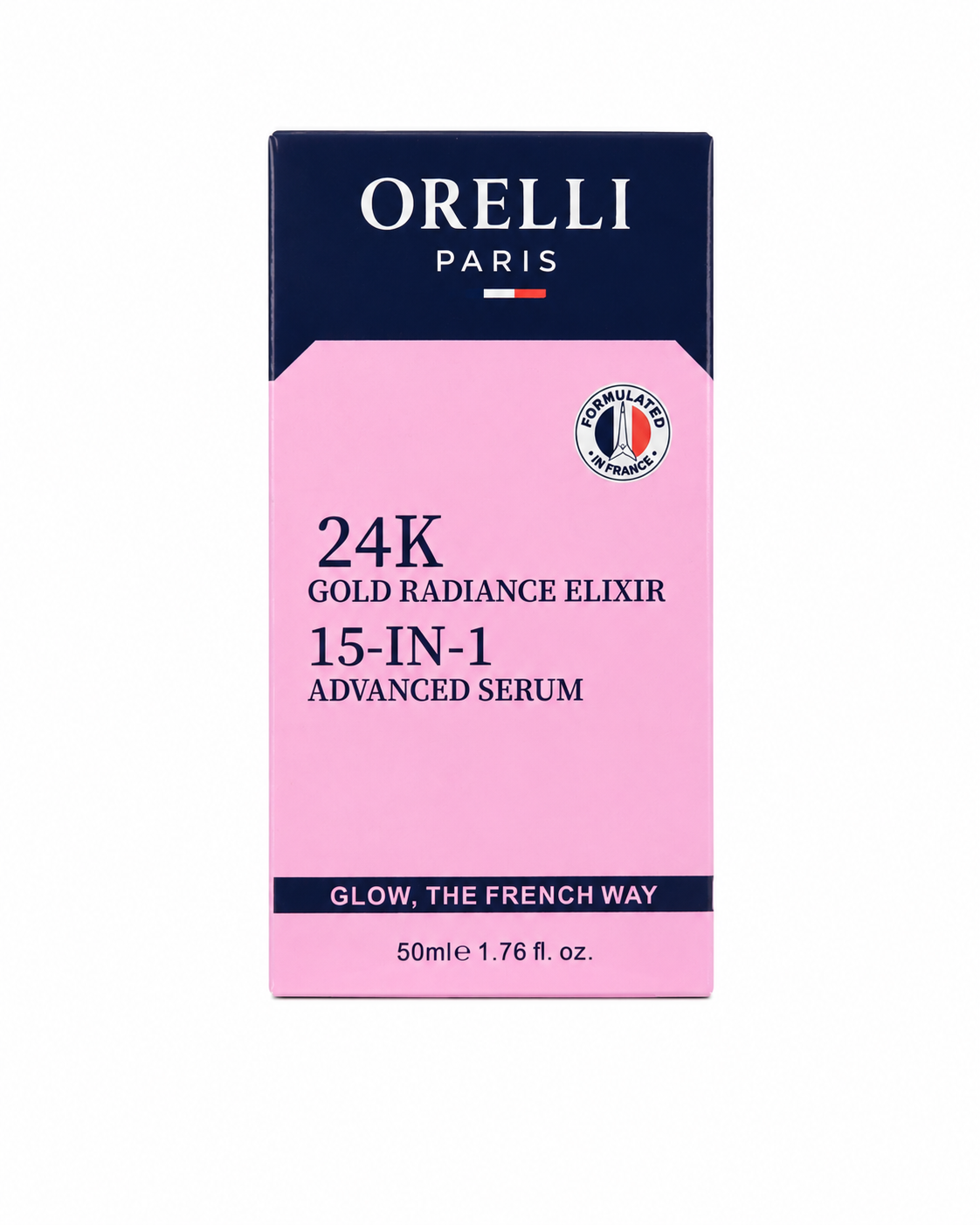
Serums are light, layer easily and usually carry a higher concentration of actives. They suit oily skin and humid Indian weather. Creams combine brightening ingredients with moisturising ones, which can suit dry skin, air-conditioned offices or winter in North India. Multi-ingredient serums are also common: the 24K Gold Radiance Elixir 15-IN-1 Advanced Serum combines niacinamide, ethyl ascorbic acid (a vitamin C derivative), tranexamic acid and alpha arbutin with hydrating ingredients such as hyaluronic acid and ceramides. With formulas like this, check where the actives sit on the list and whether your routine already contains them.
Packaging that protects the formula
Light, air and heat break down some brightening ingredients, especially pure vitamin C. Opaque or dark glass, airless pumps and smaller bottles you can finish within a few months are good signs. Clear jars left open to air are not ideal. Keep products away from steamy bathrooms and sunny windowsills, especially in an Indian summer.
Patch Testing Before You Commit
Even a well-formulated product can disagree with your skin. Apply a small amount behind the ear or on the inner forearm for a few days before you use it on your face. Stop if you notice burning, persistent redness or itching. Introduce one new product at a time. Many problems with dark spots come from using too much at once, as we explain in common mistakes people make when treating dark spots.
Finally, remember that no brightening product can make up for skipping sunscreen. Daily broad-spectrum SPF protects whatever progress you make.
Frequently Asked Questions
Which ingredient is best for brightening skin?
No single ingredient is best for everyone. Vitamin C, niacinamide, azelaic acid, alpha arbutin and tranexamic acid are all well studied for the look of uneven tone. The right choice depends on your skin type, sensitivity and kind of pigmentation.
Is brightening skincare the same as skin whitening?
No. Brightening aims for a more even-looking, radiant version of your natural tone. It does not change your baseline skin colour, and products that promise to do so are a red flag.
Are brightening products safe for Indian skin?
Well-formulated, clearly labelled products generally suit Indian skin, though deeper tones can darken after irritation. Patch test, introduce products slowly and avoid anything unlabelled or promising instant fairness.
Can I use brightening skincare during pregnancy?
Check with your doctor first. Retinoids are generally avoided during pregnancy and breastfeeding, and some other actives should be reviewed with a professional before you use them.
When should I see a dermatologist instead?
See a dermatologist if patches are spreading, symmetrical across the cheeks (as in melasma), changing in shape or colour, or not improving after a few months of consistent care. They can offer prescription options that cosmetic products cannot.
The Short Version for Your Next Shopping Trip
Good brightening skincare is easy to recognise once you know what to look for: an ingredient with real research behind it, placed where it counts on the INCI list, in packaging that protects it, with claims about even-looking radiance rather than fairness. Skip anything with hidden steroids, mercury or vague labels. Patch test and wear sunscreen every day. To browse products by concern, visit our dark spots and uneven tone collection.
This article is general cosmetic information and is not medical advice. For persistent pigmentation, skin conditions or questions about prescription treatments, please consult a qualified dermatologist.