

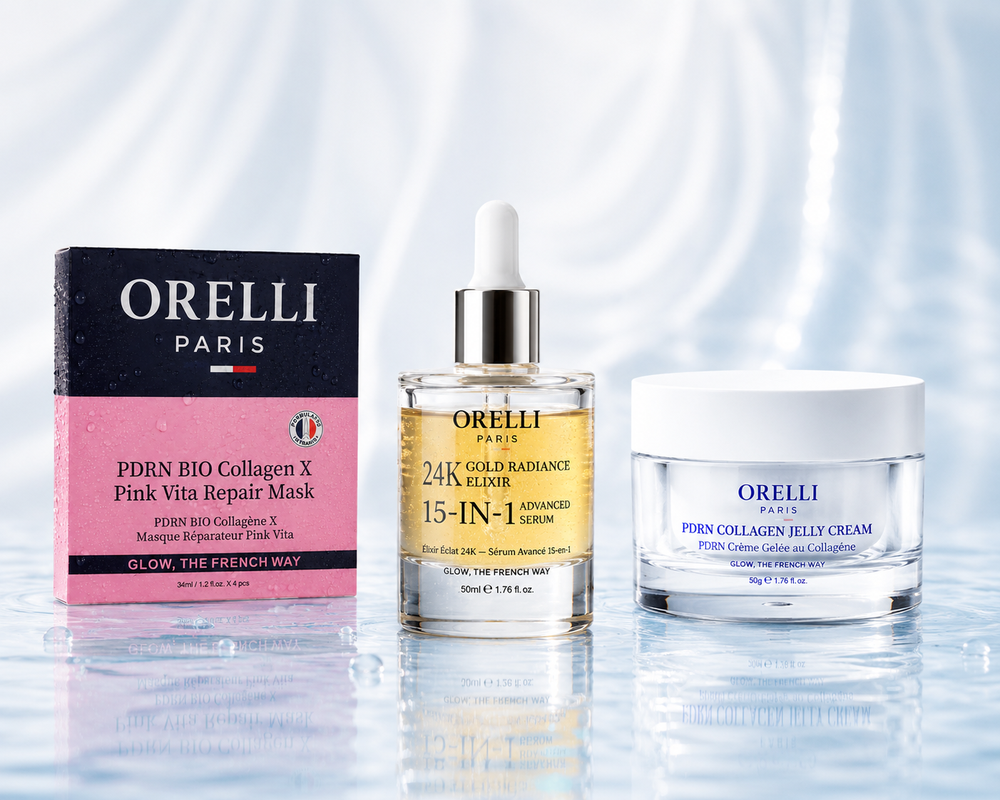
If your forehead is shiny by lunchtime, a moisturizer can feel like the last thing your face needs. Yet dermatologists keep saying the same thing: yes, oily skin needs moisturizer too. The confusion usually comes from treating “oil” and “moisture” as the same thing. They are not, and once you see the difference, choosing a moisturizer for oily skin gets much easier.
This guide stays focused on the moisturizer itself: what it does, why oily skin can still run short on water, and how to read a label so you pick a formula that feels comfortable rather than greasy. If you are looking for broader oil-control habits, our guide on how to manage oily skin without over-drying it covers cleansing, blotting and routine balance in more detail.
Oil and Water Are Not the Same Thing
The shine you see on oily skin is sebum, a waxy, oily substance made by the sebaceous glands. Sebum helps soften and protect the skin surface, but it is not water. Hydration refers to the water held inside the outer layer of the skin, the stratum corneum, which is what keeps it feeling supple and looking smooth.
That means skin can produce plenty of oil and still be low on water. Think of the “oily but tight” feeling: a greasy T-zone alongside flaky patches or makeup that clings to dry spots. A moisturizer is designed to help the skin hold on to water and support the barrier that keeps it there, which is a different job from adding oil.
What a Moisturizer Actually Does
Most moisturizers are a blend of three kinds of ingredients. Understanding them is the easiest way to decode a label.
| Ingredient type | What it does (simply) | Common examples | For oily skin |
|---|---|---|---|
| Humectants | Attract and hold water in the skin, like a sponge | Glycerin, hyaluronic acid, panthenol, urea | Usually the star of a good oily-skin formula |
| Emollients | Fill tiny gaps between skin cells so the surface feels smooth | Squalane, lightweight esters, ceramides, fatty alcohols | Helpful in light amounts; very rich ones can feel heavy |
| Occlusives | Form a thin film that slows water loss from the skin | Petrolatum, dimethicone, shea butter, beeswax | Keep these light; heavy occlusives are better saved for very dry areas |
For oily skin, the sweet spot is usually a humectant-led formula with a light touch of emollients and only a thin occlusive layer. That combination helps with water content without leaving a slick finish.
Why Oily Skin Can Still Feel Dehydrated
Several everyday factors pull water out of the skin regardless of how much oil it makes:
- Drying acne treatments. The American Academy of Dermatology notes that common acne ingredients such as benzoyl peroxide, salicylic acid and retinoids tend to dry and irritate the skin, and recommends a moisturizer to counter this.
- Air conditioning. Long hours in AC offices and cars mean drier indoor air, which can leave skin feeling tight even during a humid Indian summer or monsoon.
- Harsh or frequent cleansing. Stripping cleansers, scrubs and hot water can weaken the skin barrier, especially if you wash several times a day to fight shine.
- Hard water and pollution. Both can leave skin feeling rougher and more reactive.
There is also a practical reason not to skip it. According to the AAD’s guidance on moisturizer for acne, when skin becomes dry the body can produce more oil, which may clog pores. A well-chosen moisturizer helps keep that cycle in check. The AAD’s page on controlling oily skin puts it simply: even with oily skin, it is still important to moisturize to keep skin hydrated.
How to Choose a Moisturizer for Oily Skin
Label claims worth looking for
The AAD suggests looking for products labeled “oil-free,” “non-comedogenic” or “won’t clog pores.” These terms are not regulated guarantees, and individual skin still varies, but they signal that a formula was designed with breakout-prone or oily skin in mind. Fragrance-free helps if your skin is easily irritated.
Textures that tend to suit oily skin
Gels are water-based and the lightest option; the AAD mentions gels as a good choice for oily skin because they are lighter than other moisturizers. Gel-creams and jelly-creams sit in between, giving a little more cushion without a heavy feel, which suits combination skin or AC-heavy days. Lightweight lotions spread thinly and work well for people who find gels too minimal. Thick creams and balms are usually better kept for dry patches or very cold, dry weather.
Ingredients that play well with oily skin
Glycerin is a reliable, inexpensive humectant found in countless formulas. Hyaluronic acid holds water and feels weightless, which makes it popular in gel textures. Niacinamide is commonly included in moisturizers for oily skin because it helps support the skin barrier and may help with the look of shine and enlarged-looking pores. Ceramides help support a healthy barrier, and panthenol adds soothing hydration. You don’t need all of them; one or two in a formula you enjoy using is enough.
Be a little cautious with heavy plant oils and butters if you break out easily, and patch test any new product on a small area for a few days before using it across your face.
How Much to Use and When
A pea-sized to almond-sized amount is usually enough for the whole face. Using too much is a common reason moisturizer feels greasy.
Timing matters too. The AAD recommends applying moisturizer after cleansing, while the skin is still slightly damp, to help trap water. In a typical routine that means cleanser, then any treatment or serum, then moisturizer, and sunscreen last in the morning. Our guide on how to layer skincare products walks through the order step by step.
Oily skin also has seasons. During sticky pre-monsoon heat, a gel once or twice a day may be all you want. In winter, or if you are using a drying acne treatment, a gel-cream at night can feel more comfortable. It is fine to adjust.
Can Your Sunscreen Double as a Moisturizer?
Sometimes, yes. The AAD suggests that people with oily skin can simplify their routine with a moisturizer that contains broad-spectrum SPF 30 or higher.
Two caveats. First, sun protection depends on applying enough product, and people often use less of a moisturizer than a sunscreen needs, so apply generously and reapply when outdoors. Second, at night you still want a moisturizer without SPF, especially if you use drying treatments.
Moisturizer Myths for Oily Skin
“Moisturizer will make me break out.” A heavy, rich cream might, but an oil-free, non-comedogenic gel is formulated to minimise that risk. If breakouts persist, see a dermatologist.
“Skipping moisturizer will dry out the oil.” Skipping it doesn’t switch off sebum production. It can simply leave skin feeling tight while still looking shiny. For more habits that backfire, see common skincare mistakes that can make oily skin worse.
“Humid weather means I don’t need it.” Humidity helps, but AC, sun and active ingredients still draw water from the skin. A lighter texture, not zero moisturizer, is usually the answer.
Frequently Asked Questions
Does oily skin need moisturizer every day?
Most people with oily skin do well with a light moisturizer once or twice a day, especially after cleansing or when using drying treatments. On very humid days, a moisturizing sunscreen may be enough in the morning.
Is a gel moisturizer enough for oily skin?
For many people, yes. Gels are light and water-based. If your skin still feels tight after a few hours, particularly in AC or during winter, a gel-cream or light lotion may suit you better.
Can I use moisturizer if I am on acne treatment?
The AAD specifically recommends moisturizer alongside acne treatments because many of them dry the skin. If you are using prescription products, ask your dermatologist which moisturizer and timing work best with your plan. If you are pregnant, planning a pregnancy or breastfeeding, check with your doctor before using any retinoid or retinol product.
Why does my face look greasy after moisturizing?
Usually it is the amount or the texture. Try a smaller quantity, give it a minute to absorb before sunscreen, or switch to a lighter gel formula.
The Takeaway: Hydrate, Don’t Grease
Oil and water are different, so oily skin needs moisturizer for the same reason every skin does: to help it hold on to water and support a comfortable barrier. The trick is choosing a moisturizer for oily skin that matches your needs: oil-free or non-comedogenic, gel or gel-cream texture, and humectants such as glycerin or hyaluronic acid doing most of the work. Use a small amount, apply it to slightly damp skin, and adjust with the seasons. If you are building your routine from scratch, our simple routine for oily and acne-prone skin shows where moisturizer fits.
This article is general cosmetic information and is not a substitute for medical advice. For persistent acne, irritation or skin concerns, please consult a dermatologist.